You Won’t Believe What I Found in the Great Barrier Reef’s Urban Glow
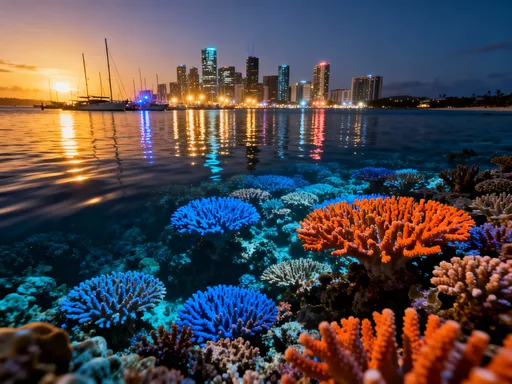
You know what’s wild? The Great Barrier Reef isn’t just about coral and fish—there’s a whole cityscape side most people miss. I went expecting pure nature, but got neon-lit harbors, crowded marinas, and tourist hubs that felt more like urban centers than tropical escapes. It was stunning, sure, but also overwhelming. This is a real talk about the hidden pitfalls of one of the world’s most famous reefs—where paradise meets pavement, and not always in a good way. The journey to one of Earth’s most iconic natural wonders has become as much about navigating urban sprawl as it is about diving into pristine waters. What I discovered was not just beauty, but a complex relationship between conservation and commerce, wonder and weariness.
First Impressions: When Nature Meets Cityscape
Landing in Cairns, the official gateway to the Great Barrier Reef, felt less like arriving at a natural wonder and more like stepping into a coastal metropolis. Towering hotels lined the waterfront, their glass facades reflecting the golden morning sun, while the marina buzzed with activity—charter boats docking, tourists queuing, and crews unloading gear. The skyline, dominated by modern high-rises and commercial signage, contrasted sharply with the postcard images of turquoise waters and untouched atolls I had imagined. This was not the remote, serene escape I had anticipated, but a fully developed urban hub with all the conveniences—and complications—that come with it.
The juxtaposition was striking. Just beyond the city limits, the reef stretched for over 2,300 kilometers, a UNESCO World Heritage site teeming with life. Yet, the very infrastructure designed to bring visitors closer to this marvel had begun to shape its surroundings in profound ways. Piers and docking areas extended like fingers into the sea, accommodating dozens of daily tours. Helicopter tours advertised aerial views, and shopping complexes sold reef-themed souvenirs before most travelers had even set foot on a boat. The energy was electric, but also exhausting—a constant hum of engines, voices, and commerce.
For many, this level of accessibility is a benefit. Families can board a vessel within minutes of landing at the airport. Seniors with limited mobility can enjoy glass-bottom boat tours without getting wet. These conveniences have made the reef more inclusive, but they’ve also contributed to a sense of detachment. Instead of feeling like explorers discovering a hidden world, many visitors experience the reef as a packaged attraction, one stop on a broader tropical itinerary. The emotional resonance—the awe, the reverence—can get lost in the shuffle.
The Illusion of Accessibility: Why More Access Can Mean Less Wonder
There’s no denying that access to the Great Barrier Reef has never been easier. Daily flights connect major Australian cities to Cairns and Townsville. High-speed catamarans ferry hundreds to outer reef platforms every hour. Tour operators offer everything from luxury yachts to budget snorkel trips. On the surface, this democratization of travel seems like a victory. But ease of access has come at a cost: the erosion of exclusivity, solitude, and the sense of discovery that once defined reef exploration.
Data from the Great Barrier Reef Marine Park Authority reveals that over 2 million people visit the reef annually, with the vast majority concentrated in zones within two hours of urban centers. These high-traffic areas—such as the reef platforms near Cairns and the popular islands off the coast of Port Douglas—bear the brunt of human impact. During peak season, some sites see more than 1,000 visitors per day. The experience can feel less like diving into a living ecosystem and more like attending a crowded theme park with wet suits.
During my visit, I boarded a mid-sized catamaran with nearly 80 other guests. As we approached the outer reef, the excitement was palpable. But once in the water, the reality set in: snorkelers floated in dense clusters, fins kicking near coral branches, and instructors had to constantly guide groups to avoid contact with fragile formations. The underwater world was breathtaking—vivid corals, sea turtles gliding past, parrotfish nibbling at algae—but the human presence was inescapable. I found myself wondering: when did we trade quiet awe for mass participation?
This isn’t to say that tourism should be discouraged. On the contrary, public engagement is vital for conservation. But the current model risks turning the reef into a spectacle rather than a sanctuary. The emotional connection that inspires long-term stewardship is harder to cultivate when every moment feels scheduled, crowded, and commercialized. True wonder often arises in stillness, in the unscripted moments between breaths underwater—experiences that are increasingly rare in the most accessible zones.
Coral in the Crossfire: Environmental Pressures from Coastal Development
While tourist traffic draws attention, a quieter but equally damaging threat looms: the environmental impact of coastal urbanization. As cities like Cairns and Townsville expand, so do their ecological footprints. Runoff from streets, construction sites, and agricultural lands carries sediments, nutrients, and chemicals into the ocean. These pollutants degrade water quality, reduce light penetration, and weaken coral resilience—making the reef more vulnerable to bleaching events and disease.
Scientific studies consistently link land-based pollution to declining reef health. Research published by the Australian Institute of Marine Science shows that nitrogen levels in coastal waters near developed areas are up to 40% higher than in remote zones. Excess nitrogen fuels algal blooms, which smother coral and disrupt the delicate balance of reef ecosystems. Sediment runoff, often from poorly managed construction or deforestation, clouds the water and prevents coral polyps from feeding efficiently. These stressors compound the effects of climate change, creating a perfect storm of environmental pressure.
The irony is that the very infrastructure meant to support reef tourism may be undermining its survival. Marinas and boat channels alter natural water flow, increasing erosion and trapping pollutants. Stormwater drains, designed for urban efficiency, funnel contaminants directly into the marine park. Even seemingly benign developments—like beachfront lighting or expanded docking areas—can disrupt marine life. Sea turtles, for instance, rely on dark, quiet shores to nest; artificial light can disorient hatchlings, leading them away from the ocean and toward danger.
Conservationists emphasize that protecting the reef requires a holistic approach—one that extends beyond the water’s edge. Policies targeting urban planning, wastewater management, and sustainable development are as critical as marine protection efforts. Without coordinated action, the reef’s future remains uncertain, no matter how many tourists marvel at its beauty today.
Choosing the Right Launch Point: Cairns vs. Port Douglas vs. Townsville
Not all reef access points are created equal. The choice of departure city significantly influences the quality of the experience—both for visitors and the environment. Cairns, as the largest hub, offers the most tour options and lowest prices, but also the highest congestion. Port Douglas, a smaller coastal town about an hour north, provides a more upscale, relaxed alternative with fewer daily departures and stricter environmental guidelines. Townsville, further south, serves as a gateway to the lesser-visited southern reefs and is home to the Museum of Tropical Queensland, which includes a reef education center.
In terms of crowd levels, Port Douglas consistently ranks as the most serene option. With a population of under 3,000, it maintains a boutique tourism model focused on eco-conscious travelers. Many operators here limit group sizes, use low-impact vessels, and partner with marine biologists to enhance educational value. Prices are higher, but the trade-off is often worth it: quieter reefs, more personalized service, and a stronger emphasis on sustainability. One operator I spoke with requires all guests to attend a 15-minute briefing on coral etiquette before entering the water—a small but meaningful step toward responsible tourism.
Cairns, by contrast, operates on scale and efficiency. While it hosts several eco-certified operators, the sheer volume of traffic means even well-managed tours contribute to cumulative impact. During peak season, some outer reef platforms resemble floating cities, complete with cafes, restrooms, and underwater observatories. These amenities are convenient, but they also concentrate human activity in sensitive areas. Townsville offers a middle ground—less crowded than Cairns, less polished than Port Douglas—but with growing investment in sustainable tourism infrastructure.
For travelers seeking authenticity, the message is clear: consider launching from smaller, less urbanized hubs. Not only do these locations offer a more intimate connection with the reef, but they also support local economies that prioritize environmental stewardship. Booking a tour from Port Douglas or a remote island base may require extra planning, but it often results in a more meaningful, low-impact experience.
Beyond the Glass-Bottom Boat: How to Experience the Reef Without the Hype
For those willing to step off the beaten path, the Great Barrier Reef still offers moments of true magic. The key is to move beyond the standard day-trip model and explore alternative ways to engage with the ecosystem. One of the most transformative experiences I had was snorkeling from a secluded island accessible only by liveaboard vessel. With no permanent structures and a strict no-light policy after dusk, the island preserved natural rhythms—both above and below water.
Liveaboard trips, which allow guests to sleep on boats that remain anchored at sea, drastically reduce travel time and environmental impact. Instead of spending hours commuting from the mainland, divers and snorkelers can access remote sites early in the morning, when the water is calm and marine life is most active. These trips often include expert guides, marine education sessions, and conservation activities like coral monitoring—turning tourism into a form of active participation.
Another powerful option is scientific tourism, where visitors join researchers on data collection missions. Programs accredited by the Great Barrier Reef Foundation allow guests to assist with coral health assessments, fish population counts, and water sampling. These experiences are not only educational but also foster a deep sense of responsibility. One participant told me, “Knowing I helped gather real data made me feel like I was contributing, not just consuming.”
Even small choices can make a difference. Avoiding peak-season weekends—when tour numbers spike—can lead to quieter reefs and better visibility. Choosing operators that use mooring buoys instead of anchors prevents physical damage to coral. Staying overnight on low-impact islands reduces day-trip congestion and supports eco-lodges committed to sustainability. These alternatives require more effort, but they restore the sense of discovery that makes the reef so special.
The Hidden Cost of Convenience: Infrastructure’s Impact on Local Culture
As the reef has become a global tourism magnet, the coastal communities that once lived in harmony with it have undergone profound changes. Traditional fishing villages have transformed into service economies, where jobs in hospitality, retail, and tour operations now dominate. While this shift has brought economic benefits, it has also raised concerns about cultural erosion and community identity.
Conversations with long-term residents reveal a complex picture. Many appreciate the income and opportunities tourism brings, but others worry about losing the quiet, self-sufficient way of life they once knew. One fisherman in Cairns, who has lived on the coast for over 40 years, shared, “We used to know every boat on the water. Now, I can’t keep up with the names, the companies, the schedules. It’s not just different—it feels temporary, like everyone’s just passing through.”
The rise of short-term rentals and international franchises has further altered the landscape. Local markets now compete with souvenir shops selling mass-produced trinkets. Family-run cafes face pressure from global chains. In some areas, housing costs have risen so sharply that younger generations can no longer afford to stay. The very people who once stewarded the reef are being priced out of their own communities.
This shift isn’t inevitable, but it underscores the need for balanced development. Initiatives that support local ownership, cultural preservation, and community-led tourism can help maintain authenticity. Some towns have begun certifying “local-first” businesses, promoting indigenous-led tours, and funding heritage programs. These efforts ensure that the human story of the reef—the generations of knowledge, tradition, and connection—remains part of its legacy.
Reimagining the Reef Experience: Balancing Beauty and Responsibility
The Great Barrier Reef is not lost—but it is at a crossroads. Its future depends not just on science and policy, but on the choices of millions of travelers. Each visit carries weight. Every footstep on a dock, every fin kick near coral, every dollar spent with a tour operator sends a signal about what kind of reef we want to preserve.
Sustainable travel begins with awareness. Choosing eco-certified operators—those accredited by Ecotourism Australia or the Advanced Ecotourism program—ensures that environmental standards are met. Supporting conservation through the Great Barrier Reef Marine Park’s permit fees directly funds monitoring and restoration. Even simple actions, like using reef-safe sunscreen, avoiding single-use plastics, and respecting marine life boundaries, contribute to long-term protection.
Equally important is the decision of where to go. Opting for less-developed access points, avoiding overcrowded zones, and traveling during shoulder seasons can reduce pressure on sensitive areas. These choices may require flexibility, but they offer richer, more authentic experiences. There’s a quiet power in witnessing a reef at dawn, with only a few fellow travelers and the sound of waves—a moment that feels personal, not performative.
Ultimately, the reef is more than a destination. It is a living system, a cultural touchstone, and a global treasure. The urban glow along its coastlines is a reminder of how close we’ve come—both physically and emotionally. But proximity does not guarantee connection. True appreciation comes from understanding, respect, and restraint. By reimagining what a reef visit can be—not as a checklist item, but as a commitment to preservation—we honor not only its beauty, but its enduring legacy.
The Great Barrier Reef remains a natural masterpiece, but its surrounding cityscape tells a cautionary tale. The very infrastructure meant to bring us closer can push us further from true connection. By understanding the pitfalls of urban proximity, we can choose experiences that honor both the reef’s grandeur and fragility. This isn’t just about seeing a wonder—it’s about preserving it, one thoughtful visit at a time.