Taste of the Alentejo: Where Evora’s Soul Lives on a Plate
You know that feeling when you stumble upon a place so authentic, it just hits different? That’s Évora, Portugal—where every cobblestone whispers history and every bite tells a story. I didn’t go for the food, honestly, but I stayed for it. From sun-drenched plazas to tucked-away taverns, the flavors here aren’t just meals—they’re memories in the making. This is slow travel with a side of soul. Nestled in the heart of the Alentejo region, Évora offers more than a picturesque escape; it delivers a sensory journey rooted in centuries of tradition, where cuisine is not an afterthought but the very pulse of daily life. Here, dining is deliberate, ingredients are honored, and time moves at the rhythm of the olive harvest and the rooster’s crow.
Arrival in Évora: First Impressions of a Timeless Town
Entering Évora feels like stepping into a living museum where history isn’t confined to exhibits but unfolds in real time. The town rises gently from the rolling plains of southern Portugal, its skyline punctuated by the ancient Roman Temple of Diana and the weathered spires of Gothic cathedrals. As you approach, the landscape transforms—endless olive groves give way to terracotta rooftops and whitewashed buildings glowing under the golden Alentejan sun. The light here has a quality all its own: warm, diffused, and seemingly suspended in time. Even the air carries a story—scented with wild rosemary, baking bread, and the faint tang of curing ham.
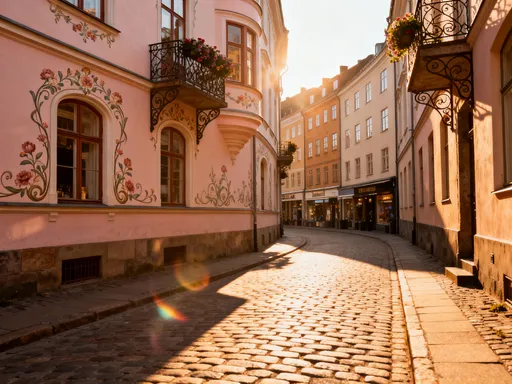
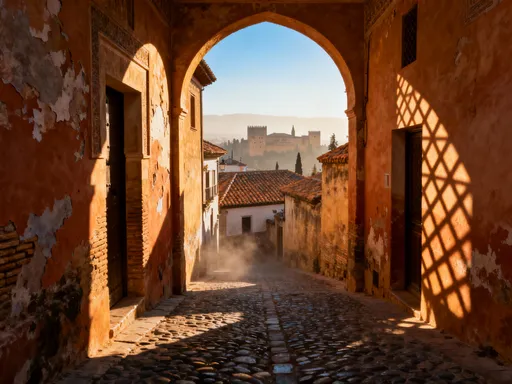
Évora is easily accessible by train or car from Lisbon, just over an hour’s journey eastward. This proximity makes it a favored weekend retreat for city dwellers seeking respite, yet the town retains an unhurried rhythm that feels worlds away from urban urgency. Once inside the medieval walls, the pace slows even further. Cobbled streets curve organically, leading you past sunlit courtyards, ivy-clad archways, and the occasional donkey cart used by local artisans. Walking is not just the best way to explore—it’s the only way that makes sense. Cars are restricted in the historic center, and the absence of traffic hum deepens the sense of calm.
UNESCO recognition has preserved Évora’s architectural integrity, but what truly distinguishes the town is how seamlessly heritage and modern life coexist. Children play football near 14th-century ramparts; elderly men debate politics over coffee at sidewalk tables; and bakers pull golden loaves from wood-fired ovens just as their ancestors did centuries ago. This continuity isn’t performative—it’s lived. And it’s within this atmosphere of quiet authenticity that the real journey begins: not with sightseeing, but with savoring.
The Heartbeat of the City: Praça do Giraldo as a Culinary Hub
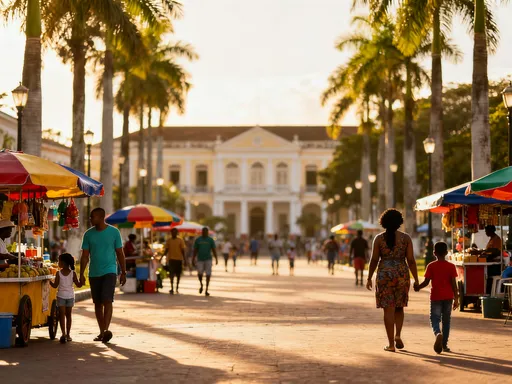
If Évora has a heart, it beats in Praça do Giraldo. This central square, named after the knight who helped reclaim the town from the Moors, is more than a tourist landmark—it’s the living room of the city. By morning, the plaza stirs to life as waiters set out wrought-iron chairs and unfold striped awnings. The scent of espresso and toasted pastries drifts from open café doors, drawing in locals for their daily ritual. By midday, families gather for leisurely lunches under shaded terraces, while in the late afternoon, retirees sip glasses of red wine as children chase pigeons across the sun-warmed stones.
Praça do Giraldo is the natural starting point for any culinary exploration. Around its perimeter, restaurants and kiosks offer everything from traditional Alentejan stews to modern tapas with regional twists. The square’s design—open, inviting, and slightly elevated—creates a natural amphitheater for social life. It’s common to see the same faces throughout the day, each visit marking a different meal or moment of connection. This rhythm reflects a broader Portuguese value: the sanctity of shared meals and unhurried time.
While the square attracts visitors, it remains deeply rooted in local culture. Many of the cafés are family-run, with recipes passed down through generations. The menu might be simple—perhaps just three or four daily specials—but the ingredients are anything but ordinary. Bread is sourced from nearby villages, olives pressed from local groves, and wine poured from regional estates. Even the pastries, like the flaky pastéis de nata dusted with cinnamon, carry subtle regional variations that connoisseurs can detect at first bite.
For travelers, Praça do Giraldo serves as both orientation point and culinary compass. It’s where you learn the town’s tempo—when bakeries open, when restaurants serve lunch, when wine flows freely in the evening. By following the locals’ lead, you begin to sync with Évora’s natural rhythm, setting the stage for deeper, more meaningful food experiences beyond the square.
Traditional Flavors, Time-Honored Recipes: What Makes Alentejan Cuisine Unique
Alentejan cuisine is not about complexity—it’s about essence. Rooted in the agricultural traditions of Portugal’s largest region, this food culture celebrates abundance born of simplicity. The land here is vast and sun-baked, ideal for olive cultivation, cork oak forests, and free-range pig farming. These natural resources shape the regional palate, which centers on hearty, flavorful dishes designed to sustain rural laborers through long days in the fields.
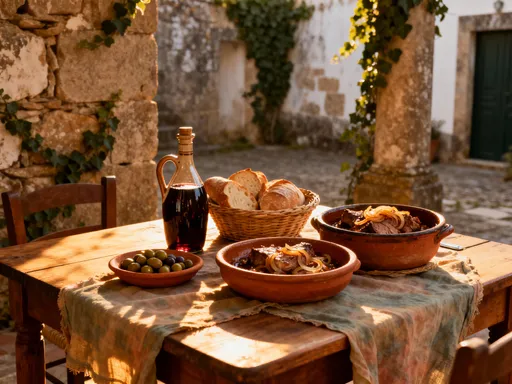
At the core of Alentejan cooking is the philosophy of *waste not, want not*. Every part of the animal is used, every scrap of bread repurposed, every drop of olive oil cherished. This ethos gives rise to dishes that are both humble and deeply satisfying. Take porco preto, the famed black Iberian pig raised on acorns in the montado woodlands. Its meat is rich, marbled, and intensely flavorful, often served as cured ham (presunto) or roasted in stews. Then there’s açorda, a rustic bread soup thickened with garlic, coriander, and poached eggs—a dish so nourishing it’s been called peasant comfort food at its finest.
Another staple is migas, a dish made from stale bread revived with olive oil, garlic, and often mixed with pork or seasonal vegetables. The name comes from the Portuguese word for “crumbs,” but in practice, it’s a substantial side that complements grilled meats or roasted fish. These recipes aren’t just meals—they’re edible history, preserving techniques and ingredients that have sustained communities for generations.
What sets Alentejan cuisine apart is its reliance on time rather than technique. Dishes are slow-cooked, ingredients are allowed to shine, and seasonality dictates the menu. In spring, you’ll find dishes featuring fresh asparagus and lamb; in autumn, the tables overflow with pumpkin, chestnuts, and wild mushrooms. Wine, too, plays a vital role—Alentejo produces nearly half of Portugal’s wine, with bold reds made from Aragonez and Trincadeira grapes dominating the region’s offerings. Each sip and bite reflects the land’s generosity and the people’s respect for its gifts.
From Market to Table: Exploring Évora’s Local Food Markets
To understand Évora’s food culture, you must visit its markets. These are not tourist bazaars but working spaces where locals shop, chat, and uphold traditions. The Municipal Market, housed in a striking 19th-century iron structure near Praça do Giraldo, is a sensory feast. Inside, the air hums with conversation and the mingled aromas of salted fish, ripe figs, and freshly ground coffee. Stalls overflow with seasonal produce—plump tomatoes, purple artichokes, and knobby sweet potatoes—each labeled with the name of the nearby village where it was grown.
One of the most striking features of the market is its emphasis on provenance. Vendors proudly display signs indicating the origin of their goods: “From Reguengos,” “Harvested in Monsaraz,” “Made in Estremoz.” This transparency reflects a deep regional pride and a commitment to traceability. It’s not uncommon for shoppers to ask how a cheese was aged or which herbs were used in a particular sausage. These interactions aren’t transactions—they’re exchanges of knowledge and trust.
Artisanal cheeses take center stage, particularly those made from sheep’s milk. Serra da Estrela, though not local, is often available, but the true gems are the lesser-known varieties aged in olive oil or wrapped in vine leaves. Cured meats, too, are a highlight—chouriço, alheira, and farinheira hang in colorful rows, their paprika-rich skins glistening under the lights. Bakers offer rounds of pão alentejano, a dense, crusty bread with a tangy sourdough edge that’s essential for dishes like açorda.
For visitors, navigating the market can be both delightful and slightly daunting. Portuguese is the primary language, and many vendors don’t speak English. Yet a smile, a pointed finger, and a few simple phrases—“Quanto custa?” (How much?), “Pode provar?” (Can I taste?)—go a long way. The experience is part of the charm: there’s no pretense, no packaging, just real food sold by real people. By shopping here, you’re not just buying ingredients—you’re participating in a centuries-old food system built on sustainability, seasonality, and community.
Hidden Gems and Local Favorites: Casual Eateries with Character
Beyond the well-trodden paths of Praça do Giraldo lie Évora’s true culinary treasures: the unassuming tasquinhas and family-run restaurants that don’t appear on every guidebook list. These are the places where locals gather for Sunday lunch, where the menu is handwritten on a chalkboard, and where the owner greets regulars by name. They may lack polished décor or digital menus, but they offer something far more valuable—authenticity.
One such spot might be a narrow alleyway eatery with plastic chairs and checkered tablecloths, where the specialty is ensopado de borrego, a slow-simmered lamb stew flavored with red wine and bay leaves. Another could be a bakery tucked behind the cathedral, open since the 1950s, where the elderly proprietress still shapes each porco de choco pastry by hand. These places don’t chase trends; they honor tradition. The service is warm but unhurried, the portions generous, and the atmosphere relaxed.
What defines these establishments is their resistance to commercialization. They don’t rely on social media or influencer visits. Their reputation is built on word of mouth, on the consistency of their food, and on the sense of belonging they foster. You won’t find fusion cuisine or experimental plating—just honest, well-executed dishes made with care. A plate of grilled sardines, drizzled with local olive oil and served with boiled potatoes, might be the highlight of your meal. Or a simple omelete com espargos, made with wild asparagus foraged from the countryside.
Choosing where to eat in Évora is less about ratings and more about intuition. Follow the scent of garlic frying in olive oil. Look for places filled with older couples or multi-generational families. Notice where the waiters speak in rapid Portuguese and laugh with the kitchen staff. These are the signs of a place rooted in community. And while it’s tempting to seek out the most photographed restaurant, the most memorable meals often happen in the quietest corners, where the focus isn’t on presentation but on pleasure.
Wine, Dine, and Unwind: Leisure Venues Beyond the Plate
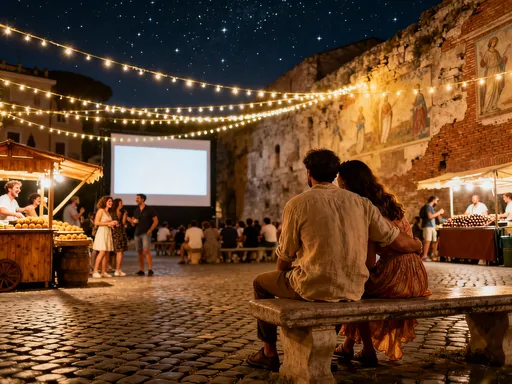
In Évora, dining is never just about eating—it’s about being. The town excels at creating spaces where food, wine, and ambiance converge to form moments of quiet joy. Wine bars tucked into medieval cellars offer flights of Alentejo varietals, each glass telling a story of sun-drenched vineyards and generations of winemaking. Courtyard restaurants, lit by candlelight and strung with fairy lights, serve dinner under a canopy of stars, the evening air soft with the sound of distant guitar music.
One of the most rewarding experiences is attending a serenata or cultural evening where traditional Fado music accompanies a multi-course meal. These events, often hosted in historic mansions or monasteries, blend performance and gastronomy into a single, immersive experience. The music—melancholic, soulful, and deeply Portuguese—adds emotional depth to the meal, turning dinner into a meditation on heritage and longing.
For those seeking tranquility, some venues offer more than food—they offer retreat. A converted convent might now house a tea room serving herbal infusions made from local herbs, paired with honey from regional beehives. Another might be a garden café where guests sip vinho verde while reading under olive trees. These spaces encourage stillness, inviting visitors to pause, reflect, and reconnect with the simple act of savoring.
Evening strolls after dinner reveal another layer of Évora’s charm. As the sun sets behind the aqueduct, locals spill into the streets, walking dogs, pushing strollers, or simply enjoying the cool air. Ice cream shops do brisk business, and small bars begin to fill with friends sharing plates of cheese and olives. This is the rhythm of Portuguese life—meals are long, connections are deep, and pleasure is taken seriously. In Évora, leisure isn’t indulgence; it’s intention.
How to Savor Évora Like a Local: A Practical Guide to Slow Food Travel
To truly experience Évora, you must embrace the concept of slow food—not just as a movement, but as a mindset. Begin by adjusting your pace. Arrive early in the morning to witness the town wake up. Visit the market when it’s busiest, between 9 and 11 a.m., when the freshest produce arrives and the energy is high. Don’t rush through meals; instead, follow the local schedule—lunch around 1 p.m., a late afternoon coffee, and dinner no earlier than 8:30 p.m.
Learn a few key phrases in Portuguese. Even a simple “Bom dia” or “Obrigada” can open doors and warm interactions. When dining, observe customs: bread is often served without butter, water may not be free, and service is polite but not hurried. Tipping is appreciated but not excessive—rounding up or leaving 5–10% is customary.
Let your appetite guide your exploration. Wander without a strict itinerary. Turn down a side street if you smell grilled sardines. Accept an invitation to sample cheese at a market stall. Say yes to the house special, even if you’re not sure what’s in it. These small acts of openness lead to the most authentic experiences.
Balance activity with rest. Spend an afternoon reading in a shaded plaza. Take a siesta after lunch. Allow time for unplanned conversations with shopkeepers or fellow diners. These moments of stillness are not wasted time—they are the essence of travel done well. And remember, the best meals aren’t always the most elaborate. Sometimes, it’s a slice of cured ham on fresh bread, eaten standing at a bar, that stays with you longest.
Conclusion: Why Évora Feeds More Than Just Hunger
Évora does not dazzle with grand spectacle or relentless excitement. Its power lies in its quiet depth, in the way it invites you to slow down, to notice, to taste. Here, food is more than sustenance—it’s a language, a bridge to understanding the soul of a place. Every bite of açorda, every sip of Alentejo red, every conversation with a market vendor adds a layer to your experience, weaving you into the fabric of daily life.
This is travel at its most nourishing—not just for the body, but for the spirit. In a world that often prioritizes speed and efficiency, Évora reminds us of the value of presence, of patience, of pleasure taken in the ordinary. It teaches that authenticity isn’t found in perfection, but in the imperfect, the lived-in, the shared.
To visit Évora is to remember how to savor. Not just food, but time, connection, and the simple joy of being somewhere real. So come with an open heart, a curious palate, and no rush. Let the town reveal itself bite by bite. Because in Évora, every meal is an invitation—to taste, to linger, and to belong.