This Is What Happens When You Slow Down in Ushuaia During Festival Season
You know that feeling when you rush through a trip and forget half of it by the time you land back home? Yeah, me too—until I tried slow travel in Ushuaia, Argentina. Nestled at the southern tip of the world, this rugged town comes alive during its festival season with music, firelit nights, and locals sharing stories over warm drinks. I spent two weeks there, not ticking boxes, but living like a local—and honestly, it changed everything. The mountains stood like silent guardians, the air carried the scent of pine and saltwater, and each day unfolded with a rhythm that refused to be hurried. This is what happens when you slow down in Ushuaia during festival season: you don’t just visit a place—you begin to belong to it.
Arrival in Ushuaia: First Impressions of the World’s Southernmost Town
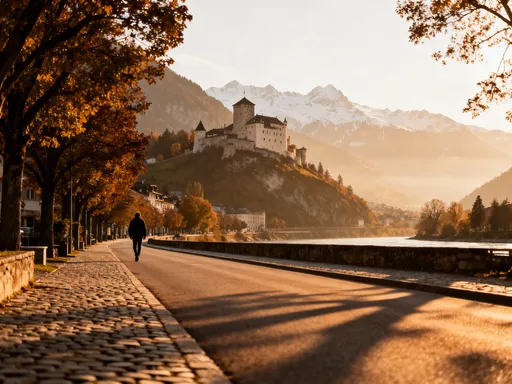
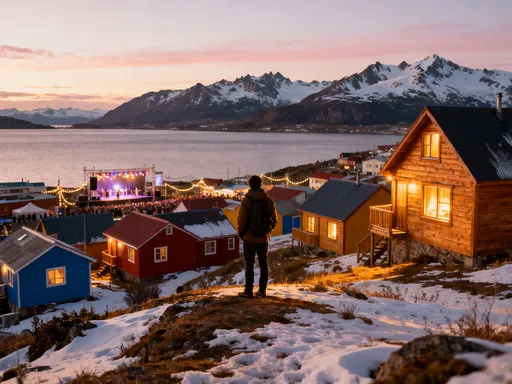
Stepping off the plane in Ushuaia feels like arriving at the edge of a dream. The landscape is dramatic and immediate—snow-dusted Andean peaks rise sharply behind the town, their slopes draped in lenga and beech forests that turn golden in late summer. Below, the Beagle Channel stretches out like a liquid mirror, its dark waters reflecting the ever-changing sky. Houses painted in deep reds, forest greens, and ocean blues cling to the hillsides, defying the wind and the terrain. It’s a town built for resilience, shaped by isolation and sustained by the spirit of those who choose to live at the end of the world.
What strikes most visitors is not just the beauty, but the quiet. Unlike more commercialized destinations, Ushuaia hums with a subdued energy. There are no overwhelming crowds, no neon signs, no constant noise. Instead, there’s a sense of readiness—adventurers lace up their boots, photographers adjust their lenses, and locals move with purpose, unimpressed by the novelty that tourists feel. The town has seen explorers, scientists, and dreamers pass through for over a century, and it remains grounded, weathered, and welcoming in its own reserved way.
Arriving a few days before the official start of the festival season proves to be one of the most valuable decisions a traveler can make. This buffer allows for acclimation—not just to the cooler temperatures, which can dip near freezing even in summer, but to the slower pace of life. Jet lag fades as mornings begin with unhurried coffee at a corner café, watching steam rise from mugs and locals greet each other by name. The body adjusts, the mind settles, and the rhythm of the town starts to feel less foreign. By the time the festival begins, the visitor is no longer an outsider looking in, but someone beginning to sync with Ushuaia’s heartbeat.
The Philosophy of Slow Travel in an Extreme Destination
Slow travel is more than a trend—it’s a mindset. It means choosing depth over distance, connection over checklist tourism. In Ushuaia, this philosophy isn’t just recommended; it feels almost inevitable. The town’s remoteness, its unpredictable weather, and its cultural richness naturally discourage rushing. When the wind howls down from Antarctica and rain turns to sleet without warning, the only sensible response is to pause, take shelter, and observe. And in that stillness, something profound happens: attention sharpens, senses awaken, and the urge to truly see replaces the compulsion to simply document.
During my stay, I chose a family-run lodge just outside the city center, nestled between a eucalyptus grove and a quiet trail leading toward the national park. The owners, María and Javier, had lived in Ushuaia for over thirty years, raising their children in the same house where they now hosted travelers. They didn’t offer guided tours or curated experiences—just warmth, homemade bread, and stories shared over evening tea. For three days, I joined them in their routine: gathering firewood, preparing preserves, and tending to their small vegetable garden protected by a windbreak fence. There were no photo ops advertised, no hashtags suggested—just real life, unfolding at its own pace.
It was in these moments that I began to understand the essence of slow travel. It’s not about doing nothing; it’s about doing fewer things, but with greater presence. Instead of racing to see the Tierra del Fuego National Park, the End of the World Post Office, and the Maritime Museum in a single day, I visited the park twice—once with a guide, and once alone, following a lesser-known path near Lapataia Bay. The second visit, unstructured and unplanned, became the more memorable. I sat on a bench overlooking the channel, watched a pair of Andean condors circle above, and listened to the wind carry the distant bark of sea lions. No photos captured it fully, but the memory remains vivid, layered with emotion and sensory detail.
Festival Culture in Ushuaia: Where Community Meets Celebration
The annual End of the World Festival, or Festival del Fin del Mundo, is not a manufactured event for tourists—it’s a genuine expression of local culture. Held each year in late February, it draws residents, regional artists, and visitors for a week-long celebration of Patagonian identity. The festival features folk music rooted in indigenous and European traditions, traditional dances like the chacarera and zamba, and an abundance of regional cuisine served in communal spaces. Performances take place in the town’s main square, the Teatro del Fin del Mundo, and even in open-air stages set up near the port, where the sound of fiddles and bombo drums carries across the water.
What makes this festival unique is its emphasis on participation over performance. Locals don’t just watch—they join in. Children dance with their grandparents, neighbors form impromptu choirs, and even shy visitors are gently invited to clap along or try a simple step. The music tells stories of migration, survival, and love for the land. One evening, I attended a peña—a traditional folk gathering—in a small community hall, where a group of musicians played songs passed down through generations. The lyrics spoke of long winters, the call of the sea, and the warmth of shared firelight. No translations were provided, yet the emotion was universal.
In a place as isolated as Ushuaia, festivals serve a deeper purpose than entertainment. They are acts of cultural preservation, reinforcing community bonds and passing traditions to younger generations. In a world where globalization often erases regional distinctions, these celebrations are a quiet resistance. They say: we are remote, but we are not forgotten. We are few, but we are strong. And when the cold wind blows and the days grow short, we gather anyway—because connection is survival.
Living Like a Local: Immersion Through Food, Music, and Conversation
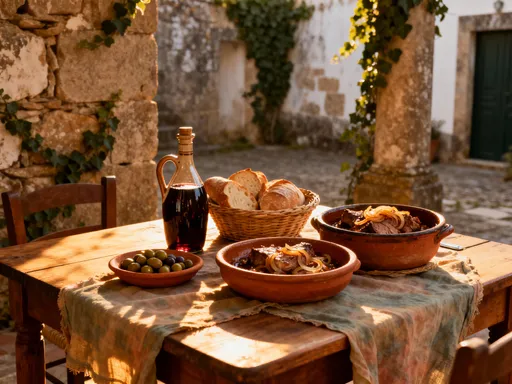
One of the most powerful ways to experience a culture is through its food, and Ushuaia does not disappoint. During the festival, community dinners are organized in neighborhood centers, where long tables are set up and everyone brings something to share. I was invited to one such gathering in the Martial neighborhood, hosted by a local family in their modest home. The centerpiece was a lamb roasted slowly over an open fire pit in the backyard—a technique known as asado, deeply embedded in Argentine tradition. The meat was tender, smoky, and served with roasted potatoes, fresh salads, and a robust Malbec brought from Mendoza.
What made the evening unforgettable wasn’t just the food, but the atmosphere. Children played in the living room, elders shared stories in hushed tones, and music played softly in the background. I was handed a glass of calafate liqueur, made from a local berry said to ensure a return to Patagonia if consumed here. As I listened to conversations about school, weather, and the upcoming fishing season, I felt, for the first time, like more than a guest. I was included, not because I was interesting or exotic, but because I was present. That night, I learned a few lines of a traditional cueca song from a retired schoolteacher, and though my accent was terrible, she laughed kindly and corrected me gently.
These intimate moments, made possible by slowing down, contrast sharply with the typical tourist experience. Instead of queuing for a timed museum tour or boarding a crowded bus to a scenic overlook, I found myself in a cozy downtown bar called El Viejo Marino, where local musicians gathered weekly to play folk tunes. There were no cover charges, no stage lights—just a guitar, an accordion, and a room full of people who knew the words by heart. I sat at the counter, sipping a hot chocolate with cinnamon, and let the music wash over me. No photos, no posts, just the simple joy of being there. It was in these unscripted hours that I formed my most lasting memories of Ushuaia.
Beyond the Festival: Hidden Gems Discovered at a Slower Pace
When you move slowly, the city reveals its secrets. One morning, while wandering without a map, I stumbled upon a small craft market tucked behind the municipal building. Unlike the souvenir stalls near the port, this one was run entirely by local artisans. Women knitted woolen scarves and gloves from guanaco and sheep’s wool, their fingers moving swiftly despite the cold. A woodworker displayed intricate carvings made from lenga, a native hardwood known for its deep grain and durability. I bought a small pendant shaped like a condor, and the artist, an elderly man named Raúl, told me it symbolized freedom and endurance—values he said were essential for life at the end of the world.
Another discovery came during a quiet walk along Costanera Avenue, the waterfront path that runs parallel to the Beagle Channel. At dawn, the town was nearly silent. Fishermen in thick jackets repaired nets, loaded crates, and checked their boats, preparing for the day’s catch. I stopped to watch, and one of them, noticing my interest, waved me over and explained the types of fish they were targeting—king crab, hake, and the prized centolla, or southern king crab. He offered me a cup of mate, the traditional herbal tea shared throughout Argentina, and we stood together in comfortable silence, watching the sun rise over the water. These interactions weren’t planned or paid for—they emerged simply because I was there, moving slowly enough to notice and be noticed.
Perhaps the most unexpected moment came near the entrance to Tierra del Fuego National Park. I had visited the main trails the day before, but this time I took a lesser-used path that led to a ranger outpost. A park ranger named Lucía was preparing for a patrol, and when she saw me approaching, she invited me to sit and share a thermos of tea. We talked about conservation efforts, the challenges of managing a fragile ecosystem, and the importance of educating visitors about responsible tourism. She spoke with quiet passion, her breath visible in the cold air. Before I left, she gave me a small booklet about native flora, handwritten in part. “Take your time,” she said. “This place teaches best when you’re not in a hurry.”
Practical Tips for Planning a Slow Travel Experience During Festival Season
For those considering a similar journey, timing is crucial. The ideal window is late February to early March, when the End of the World Festival takes place and the weather is at its mildest. Daytime temperatures typically range from 5°C to 10°C (41°F to 50°F), though conditions can change rapidly. This period also offers longer daylight hours, allowing for extended exploration without the extreme cold of winter.
Accommodation choices can significantly shape the experience. While there are international hotel chains in Ushuaia, opting for locally owned guesthouses, family-run lodges, or eco-friendly cabins enhances authenticity. Many of these establishments offer home-cooked meals, personalized recommendations, and opportunities to interact with hosts who are deeply connected to the community. Booking in advance is essential, as festival season attracts visitors from across Argentina and beyond.
Transportation within the town is straightforward. Most key areas, including the port, main square, and shopping streets, are within walking distance. Local buses are reliable and inexpensive, covering routes to the airport, national park, and surrounding neighborhoods. Renting a car is unnecessary for those focusing on Ushuaia itself, though it may be useful for day trips to more remote areas. For festival events, walking or taking a short bus ride is often the most enjoyable way to arrive, allowing time to absorb the atmosphere.
Packing wisely is key. Layered clothing is essential—thermal base layers, insulating mid-layers, and a waterproof outer shell will handle most conditions. Sturdy, waterproof boots are a must, especially for trails that can become muddy after rain. Accessories like gloves, a warm hat, and a scarf are practical and often appreciated during outdoor festival events. But beyond physical items, the most important thing to bring is an open mind—one willing to embrace unpredictability, accept invitations, and find joy in the unplanned.
Why This Kind of Travel Matters—And How It Can Change Your Perspective
In an age of rapid movement and digital overload, slow travel offers a quiet rebellion. It challenges the idea that more destinations equal better experiences. In Ushuaia, where the landscape is vast but the population small, the contrast between checklist tourism and meaningful connection becomes unmistakable. I’ve been to cities where I saw ten landmarks in a day and remembered none of them. But in Ushuaia, I spent an entire afternoon watching ice drift across the Beagle Channel, and I remember it still.
The emotional impact of being present is profound. Ushuaia’s stillness doesn’t erase life’s complexities, but it amplifies what matters—warmth, conversation, shared silence. In the glow of a festival bonfire, surrounded by strangers who quickly became friends, I felt a sense of belonging that no Instagram post could capture. The cold didn’t matter. The wind didn’t matter. What mattered was the laughter, the music, the feeling of being part of something real.
This kind of travel changes you. It teaches patience, deepens empathy, and reminds you that the world is not just a collection of places to visit, but a web of people, stories, and traditions waiting to be respected and understood. In remote destinations like Ushuaia, where culture is shaped by isolation and resilience, taking the time to listen and learn becomes an act of honor. You begin to see travel not as consumption, but as exchange.
The world’s edge isn’t just a geographic fact—it’s a mindset. It’s the understanding that the most meaningful journeys aren’t measured in miles, but in moments of connection. When you slow down in Ushuaia during festival season, you don’t just witness a celebration. You become part of it. And long after you leave, the quiet hum of the southern wind stays with you, a gentle reminder to move through life with intention, presence, and heart.