You Gotta See These Hidden Natural Gems Near San Miguel de Allende
Tucked in Mexico’s highlands, San Miguel de Allende is more than colonial charm—it’s a gateway to breathtaking natural scenery. I was blown away by the wild beauty just beyond the cobblestone streets: lush canyons, secret waterfalls, and desert landscapes that glow at sunset. This isn’t just a cultural escape; it’s an outdoor lover’s dream. Let me show you the real magic hiding in the hills. From quiet trails fringed with cacti to highland sanctuaries humming with birdlife, the region surrounding this UNESCO World Heritage city offers a profound connection to nature without sacrificing comfort or accessibility. Whether you’re a seasoned hiker or someone who simply craves stillness under open skies, these natural retreats promise moments of wonder and renewal.
Why Nature Lovers Should Look Beyond the City
San Miguel de Allende has long been celebrated for its cobblestone alleys, pastel-hued facades, and vibrant artistic community. Yet for every traveler drawn to its galleries and rooftop cafes, there are landscapes nearby that remain quietly untouched by mass tourism. The city sits at an elevation of approximately 2,000 meters (6,400 feet) in Mexico’s central highlands, where the convergence of temperate climate and arid terrain creates a surprisingly diverse environment. Rolling hills dotted with oak and juniper give way to desert scrublands alive with cardón cacti, lizards, and migratory birds. These ecosystems support species found nowhere else, making the area a quiet ecological treasure.
What makes this region so special is how easily culture and nature coexist. Just a short drive from the bustling El Jardín, the city’s central plaza, the sounds of mariachi fade into the whisper of wind through dry grass and the distant cry of a red-tailed hawk. For visitors who spend days admiring colonial architecture and hand-painted pottery, stepping into the surrounding countryside offers a powerful contrast—a chance to reset the senses. The air grows crisper, the pace slows, and the horizon expands. It’s not just a change of scenery; it’s a shift in perspective.
Outdoor exploration here doesn’t require extreme fitness or specialized gear. Many of the natural attractions are accessible to people of all ages and abilities, whether through guided tours, short hikes, or scenic drives. Families, solo travelers, and couples alike can find peace in these landscapes. And because so many visitors focus solely on the city’s historic core, the trails and viewpoints often feel refreshingly uncrowded. In a world where popular destinations are increasingly overwhelmed, San Miguel’s natural outskirts remain a sanctuary of authenticity and quiet beauty.
El Charco del Ingenio: A Botanical Sanctuary with a View
Just a 20-minute walk from downtown San Miguel lies El Charco del Ingenio, a protected ecological reserve that feels like a world apart. Spanning over 80 hectares (nearly 200 acres), this sanctuary was once the water source for a colonial-era textile mill—an ingenious system that harnessed gravity and natural springs. Today, it serves a new purpose: preserving native flora, protecting watersheds, and offering a peaceful retreat for locals and visitors alike. Managed by a nonprofit foundation dedicated to environmental education, El Charco is a model of sustainable conservation in action.
The reserve’s trails wind through a striking blend of desert and woodland ecosystems. Towering organ pipe cacti stand like sentinels beside clusters of agave, while mesquite and acacia trees provide shade in the warmer months. More than 500 plant species have been documented here, including rare and endangered varieties native to the Bajío region. Birdwatchers will delight in spotting species such as the vermilion flycatcher, the cactus wren, and even the occasional zone-tailed hawk circling above the canyon. The air hums with bees and butterflies, especially in spring when wildflowers bloom in bursts of purple, yellow, and red.
At the heart of the reserve is a tranquil pond, once part of the old mill’s reservoir system. Surrounded by dramatic red rock cliffs, the water reflects the sky in soft gradients of blue and gray, creating a mirror-like effect that draws photographers at dawn. A small footbridge crosses one end, leading to a meditation labyrinth inspired by ancient spiritual traditions. Many visitors come early in the morning to walk the labyrinth in silence, using the natural setting as a space for reflection and mindfulness. Yoga groups often gather on weekends, their mats laid out on stone terraces overlooking the canyon.
What sets El Charco apart is not just its beauty but its mission. It’s a place where environmental stewardship and cultural reverence go hand in hand. The site is also considered sacred by some indigenous groups, who see the spring as a source of life and balance. Educational signs along the trails explain the ecological importance of each plant and the role of water in sustaining the region’s fragile ecosystem. For families, it’s an ideal destination to teach children about conservation in a hands-on, engaging way. With clean restrooms, clear signage, and well-maintained paths, El Charco is both welcoming and respectful of its natural surroundings.
Exploring the Sierra de Guanajuato: Canyons and Hidden Springs
Northeast of San Miguel, the rugged Sierra de Guanajuato mountain range rises with quiet grandeur. This less-visited region offers some of the most rewarding outdoor experiences in the area, from deep canyons carved by ancient rivers to hidden springs that flow even in the dry season. The terrain is shaped by volcanic activity from millions of years ago, leaving behind dramatic rock formations, basalt columns, and caves that hint at the earth’s restless past. While not as well-known as other Mexican mountain ranges, the Sierra de Guanajuato rewards those who venture off the main roads with solitude, stunning vistas, and a true sense of discovery.
One of the most popular routes leads to the Barranca de la Bufa, a deep ravine that cuts through the foothills. Here, narrow trails descend into the canyon, where shade-loving ferns and mosses cling to moist rock faces. In the early morning, mist clings to the bottom, creating an almost mystical atmosphere. Further along, small waterfalls trickle down stone ledges, feeding into natural pools perfect for a refreshing dip. These are not developed swimming areas—there are no lifeguards or facilities—but that’s part of their appeal. The sense of wildness, of finding something untouched, is deeply satisfying.
For longer excursions, guided hikes into the upper sierras can last a full day. Local outfitters offer small-group tours that include transportation, experienced guides, and picnic lunches made with regional ingredients. These trips often lead to remote springs known only to locals, where clear water bubbles up from underground aquifers. The surrounding vegetation shifts as elevation increases, transitioning from desert scrub to pine-oak forests that smell of resin and damp earth. It’s not uncommon to spot deer, foxes, or even wild turkeys darting through the underbrush.
The best time to explore is during the dry season, from October to May, when trails are firm and visibility is excellent. Summer months bring afternoon thunderstorms, which can make certain paths slippery or dangerous due to flash floods. Still, the rainy season has its own beauty—the landscape turns lush and green, and wildflowers carpet the hillsides. Regardless of timing, preparation is key: sturdy footwear, sun protection, and plenty of water are essential. Because cell service is limited, it’s wise to go with a guide or at least share your plans with someone before heading out.
Atotonilco: A Quiet Escape with Natural and Cultural Depth
About 15 kilometers from San Miguel, the village of Atotonilco offers a serene blend of spiritual heritage and rural tranquility. Recognized by UNESCO as a World Heritage Site for its 18th-century mural-covered church, Atotonilco is often visited for its religious significance. But beyond the church walls, the surrounding landscape holds its own quiet magic. Rolling fields stretch in every direction, dotted with agave plants, prickly pear cacti, and hardy grasses that rustle in the breeze. The air smells of sun-warmed earth and wild herbs, and the only sounds are the occasional bark of a dog or the distant toll of a church bell.
Unlike the more tourist-heavy sites in the region, Atotonilco remains a living community, where daily life unfolds at a gentle pace. Farmers tend small plots of land, women hang laundry in sunny courtyards, and elders sit on benches outside the market, sipping at glass bottles of soda. Visitors are welcome but not overwhelmed by commercialization—there are no souvenir stalls or crowded plazas. Instead, the experience is one of quiet immersion, of stepping into a rhythm that feels timeless.
Walking trails connect the church complex to the countryside, allowing visitors to stretch their legs while soaking in the peaceful scenery. One popular path leads to a small hilltop shrine, offering panoramic views of the valley below. Another follows an old irrigation ditch, where dragonflies hover over still pools and birds nest in the stone walls. These routes are not marked with signs or tourist maps, adding to their sense of discovery. Locals often greet passersby with a nod or a quiet “buenos días,” reinforcing the feeling of respectful coexistence.
For those seeking a deeper connection, Atotonilco is a place to slow down and breathe. The absence of noise and rush creates space for reflection. Some visitors come to pray, others to walk in silence, and many simply to feel grounded. The natural beauty here isn’t dramatic or grand—it’s subtle, humble, and deeply calming. In a world that rarely pauses, Atotonilco reminds us that peace can be found in simplicity, and that sometimes the most meaningful journeys are the quietest ones.
Sunset at La Bufa: An Iconic View with a Natural Twist
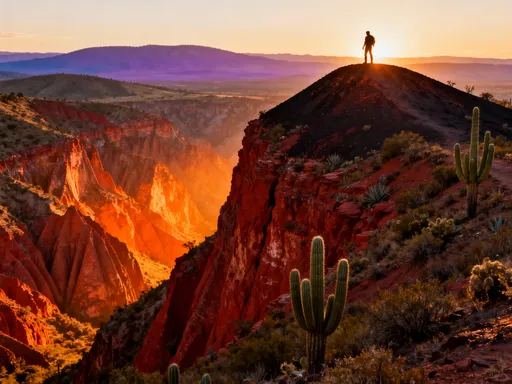
No trip to San Miguel is complete without a visit to Cerro de la Bufa, the hill that rises dramatically at the city’s edge. Most tourists come for the panoramic view of red-tiled rooftops and distant mountains, and for the small white chapel dedicated to Mexico’s independence heroes. But few take the time to appreciate the hill itself as a natural wonder. Formed by volcanic activity millions of years ago, La Bufa is composed of layered igneous rock, shaped by wind and water into rugged cliffs and sheltered caves. Its slopes are home to hardy desert plants, including century plants that bloom only once before dying, and lichens that paint the stone in patches of orange and gray.
The climb to the top can be done on foot via a winding trail that starts near the cemetery, or by taxi for those who prefer an easier ascent. Either way, timing your visit for late afternoon is essential. As the sun begins its descent, the entire valley is bathed in golden light. Shadows stretch across the hills, and the air cools rapidly at this elevation. By the time full sunset arrives, the sky transforms into a canvas of pink, purple, and deep blue, with the first stars appearing just above the horizon. It’s a daily spectacle, free and open to all.
What makes this experience special is the blend of natural beauty and human history. The chapel on the summit commemorates a pivotal moment in Mexico’s past, but it also serves as a quiet place to sit and reflect. Benches around the perimeter invite visitors to linger, and the lack of loudspeakers or crowds preserves the serenity. Couples, families, and solo travelers alike find themselves drawn to this moment of stillness, watching the city lights flicker on below like scattered embers.
Photographers will appreciate the soft, diffused light of golden hour, which enhances textures and colors without harsh contrasts. A wide-angle lens captures the sweep of the landscape, while a telephoto can isolate details like a hawk riding the thermals or the intricate stonework of the chapel. But even without a camera, the memory of that light—the way it wraps around the hills and gilds the rooftops—stays with you long after you’ve descended. La Bufa is more than a viewpoint; it’s a moment of connection between earth, sky, and spirit.
Practical Tips for Exploring Nature Safely and Comfortably
While the natural attractions near San Miguel de Allende are accessible and welcoming, a few practical considerations can make your outings safer and more enjoyable. The city’s high elevation means the sun is stronger than at sea level, and UV exposure can lead to sunburn even on cool or cloudy days. Always wear broad-spectrum sunscreen, a wide-brimmed hat, and UV-protective sunglasses. Hydration is equally important—bring at least one liter of water per person for any hike, and consider adding electrolyte tablets if you’ll be active for several hours.
Footwear matters. Many trails have loose gravel, rocky sections, or steep drop-offs, so sturdy hiking shoes with good ankle support are recommended. Flip-flops or smooth-soled sneakers are not suitable, especially on descents. A light backpack with a rain jacket, a snack, and a basic first-aid kit can be invaluable, particularly on longer excursions. If you’re bringing children, pack extra layers—temperatures can drop quickly in the shade or at higher elevations.
Transportation is another key factor. Public buses do not regularly serve most natural sites, and ride-sharing apps have limited coverage. Renting a car gives you the most flexibility, but be prepared for narrow, winding roads and occasional unpaved stretches. If you prefer not to drive, consider booking a guided nature tour through a reputable local company. These often include round-trip transport, expert commentary, and stops at multiple locations, making them a convenient and informative option.
Timing your visits can also enhance your experience. Mornings are ideal for cooler temperatures, softer light, and fewer crowds. Afternoon hikes can be hot and exposed, especially in the summer months. If you’re visiting during the rainy season (June to September), check trail conditions before heading out—some paths may be closed due to mud or flooding. Always let someone know your plans, especially if you’re hiking alone, and carry a fully charged phone, though service may be spotty in remote areas.
How These Natural Spaces Enhance the San Miguel Experience
The true essence of San Miguel de Allende lies in its balance—a harmonious blend of cultural richness and natural serenity. The city’s art galleries, music festivals, and colonial plazas offer inspiration and joy, but it is the surrounding landscapes that provide grounding and renewal. These natural spaces are not mere add-ons to a vacation; they are integral to understanding the soul of the region. They remind us that beauty exists not only in human creation but in the quiet persistence of the earth itself.
When you walk through El Charco del Ingenio at sunrise, or stand atop La Bufa as the sky turns to flame, you’re not just observing scenery—you’re participating in a deeper rhythm. You feel the cool mountain air, hear the rustle of leaves, and sense the slow passage of geological time. These moments recalibrate the spirit, offering clarity and calm in a world that often feels too fast and too loud.
For families, these outings create shared memories far from screens and schedules. For solo travelers, they offer solitude with purpose. And for long-term visitors, they become part of a daily ritual—morning walks, weekend hikes, quiet reflections under open skies. The accessibility of these natural gems means that everyone, regardless of age or ability, can find a way to connect.
In a travel landscape increasingly dominated by crowded landmarks and overdeveloped resorts, San Miguel’s natural surroundings stand out for their authenticity and tranquility. They ask nothing of you but presence, and in return, they offer wonder. By stepping beyond the cobblestone streets, you don’t just see more of Mexico—you feel more of it. And in that feeling, you discover the quiet magic that makes this place truly unforgettable.