Taste This Before You Leave: Mexico City’s Real Food Secrets Uncovered
Mexico City’s food culture is a thrilling journey for the senses—where street corners serve up bold flavors and centuries-old traditions simmer in every bite. From bustling markets to hidden fondas, the city doesn’t just feed you; it tells a story. The scent of roasting chilies, the sizzle of masa on hot comals, the vibrant colors of fresh salsas—it all comes together in a culinary tapestry that reflects the soul of Mexico. This is not a city of fine-dining facades or imported trends, but of real, daily nourishment rooted in indigenous heritage and family ritual. To eat here is to connect—with history, with community, and with the land itself. In this guide, you’ll discover where locals truly dine, how to navigate the rich layers of flavor, and why the most unforgettable meals often come from the simplest places.
The Heartbeat of Mexico City: Food as Culture
Food in Mexico City is far more than sustenance—it is identity, memory, and continuity. Every meal carries the weight of centuries, shaped by the agricultural genius of ancient civilizations and the resilience of families who have passed down recipes through generations. At the core of this culinary tradition lies corn, the sacred grain that gave rise to masa, the foundation of tortillas, tamales, tlacoyos, and countless other staples. Long before supermarkets or chain restaurants, Mexican life revolved around the milpa—the traditional farming system that cultivated corn, beans, and squash together—and this deep connection to the land still echoes in the city’s kitchens today.
Chilies, too, are not just ingredients but cultural symbols. With over 60 native varieties grown across Mexico, they bring more than heat—they offer complexity, color, and regional pride. Whether dried into smoky morita peppers or blended fresh into vibrant green salsas, chilies transform simple dishes into expressions of place and personality. Combined with tomatoes, tomatillos, and epazote, they form the backbone of Mexican flavor profiles. These ingredients are not exotic novelties; they are daily essentials, treated with reverence and used with precision by home cooks and street vendors alike.
The rhythm of life in Mexico City is shaped by meals. Breakfast might be warm quesadillas with crema and cheese, enjoyed at a corner stall before work. Lunch—la comida—is the centerpiece of the day, often a full spread of soup, main dish, rice, beans, and tortillas shared among family or coworkers. Dinner, or la cena, tends to be lighter and later, sometimes just tacos or tlacoyos after an evening walk. This meal structure reflects a culture that values time at the table, conversation over food, and the pleasure of eating well, not quickly. To understand Mexico City, one must first understand that food is not an interruption of life—it is life itself.
Where the Locals Eat: Beyond Tourist Hotspots
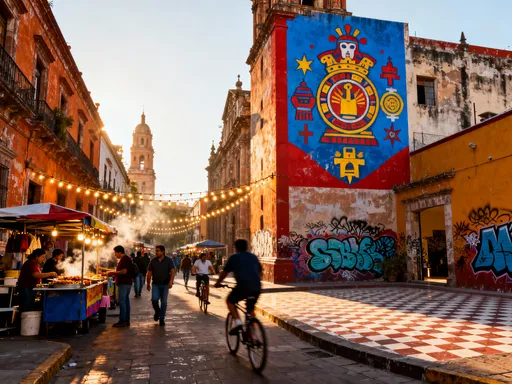
While tourists flock to well-known plazas and restaurant rows, the true heartbeat of Mexico City’s food scene pulses in its residential neighborhoods. Areas like Coyoacán, Roma, and Xochimilco offer a more authentic glimpse into daily dining habits, where families gather, workers take lunch breaks, and grandmothers line up for freshly made tortillas. These neighborhoods are not curated for visitors—they exist for residents, which makes them ideal for discovering food that is both genuine and deeply rooted in local taste.
Coyoacán, with its cobblestone streets and colonial charm, is home to Mercado de Coyoacán, a bustling hub where vendors sell everything from handmade moles to slow-cooked barbacoa. Unlike sanitized food halls, this market thrives on authenticity. The air is thick with the scent of toasted spices, frying carnitas, and ripe tropical fruit. Nearby, small fondas serve daily specials written on chalkboards, often featuring regional dishes like mixiotes or pipián verde. The key to navigating such places is observation: look for stalls with long lines of locals, rapid turnover of ingredients, and clean handling practices. A busy taco stand at midday is almost always a safe and delicious bet.
Roma, once an aristocratic enclave, has evolved into a cultural melting pot where traditional eateries coexist with modern cafes. Yet, amid the trendy boutiques, you’ll find unassuming spots serving handmade tortas, cemitas, or pozole every weekend. In Xochimilco, famous for its canals, food takes on a festive air. Along the embarcaderos, families picnic on tamales and tlacoyos while floating past colorful trajineras. Here, food is part of celebration, tradition, and community life. To eat like a local, avoid the overpriced boatside restaurants and instead visit the small stands where residents buy their snacks before boarding.
Accessibility is rarely an issue. Public transportation, including the metro and ecobici bike-sharing system, makes it easy to reach these neighborhoods. Many markets open early—around 7 or 8 a.m.—and begin to wind down by late afternoon. Planning your visit during peak meal times increases your chances of experiencing food at its freshest and most vibrant. By choosing these everyday spaces over tourist zones, you step into the real culinary rhythm of the city, where food is not a performance but a practice of living.
Must-Try Street Food (And Where to Find It)
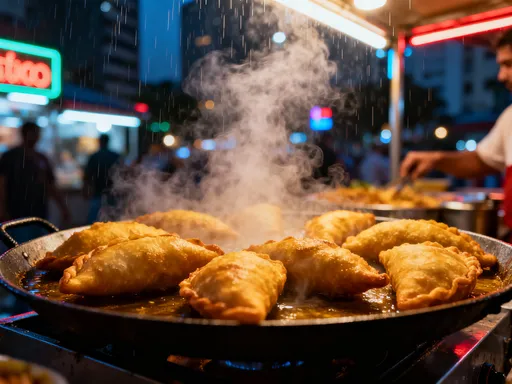
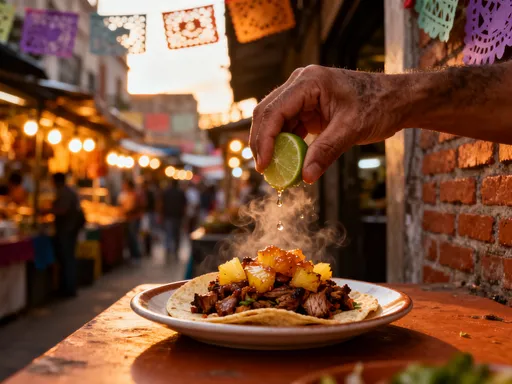
No exploration of Mexico City is complete without indulging in its legendary street food. Vendors on nearly every block offer affordable, flavorful meals that rival any restaurant. Among the most iconic is the taco al pastor, a dish born from Middle Eastern influence but perfected in the heart of Mexico City. Sliced from a vertical spit called a trompo, the marinated pork is layered with pineapple, which caramelizes as it cooks, adding a sweet contrast to the spicy, achiote-laced meat. The best versions come wrapped in warm corn tortillas, topped with chopped onion, cilantro, and a squeeze of lime. Look for stands with a steady stream of customers—especially office workers—and a clean, well-maintained trompo.
Tlacoyos are another must-try, especially for those eager to taste pre-Hispanic roots. These oval-shaped masa cakes are stuffed with beans, fava beans, or cheese, then griddled and topped with nopales (cactus), salsa, and crumbled cheese. Found in markets and street corners alike, they offer a satisfying crunch and earthy flavor. Similarly, quesadillas in Mexico City are often made with blue or white corn tortillas, folded and griddled until crisp, then filled with ingredients far beyond cheese—huitlacoche (corn fungus, prized for its earthy umami), squash blossoms, or tinga de pollo. Unlike in some regions, cheese is optional, not mandatory.
For a sweet and savory treat, elote—the grilled corn on the cob—is a staple. Served on a stick, it’s slathered with mayonnaise, cotija cheese, chili powder, and lime juice. Esquites, the cup version, offers the same flavors in a portable form. Both are best enjoyed fresh off the grill, where the charred kernels add smokiness to the creamy, spicy coating. Other street snacks worth seeking include tamales wrapped in corn husks, sold from steaming baskets by vendors in the early morning, and tlamejames—thick, griddled masa cakes topped with beans and meat, popular in southern neighborhoods.
To eat safely, follow a few simple rules. Choose vendors who cook food to order and keep ingredients covered. Opt for bottled water or packaged beverages rather than ice or fountain drinks. When in doubt, watch what locals order—high turnover means freshness. And don’t be afraid to point and smile; many vendors appreciate the effort, even if your Spanish is limited. With an open mind and cautious approach, street food becomes not just safe, but one of the most rewarding parts of the journey.
Markets as Culinary Temples: A Visit to Mercado de Coyoacán & Others
Mexico City’s markets are more than shopping destinations—they are living museums of flavor, tradition, and community. Among the most beloved is Mercado de Coyoacán, a sprawling complex filled with stalls selling fresh produce, spices, prepared foods, and handmade crafts. As you step inside, the sensory experience is immediate: the tang of pickled jalapeños, the earthy aroma of dried chilies, the sweet perfume of ripe mangoes and papayas. Vendors call out specials, abuelas haggle over prices, and cooks stir giant pots of mole or simmer beans for hours. This is where food is not just sold but celebrated.
The market is divided into sections, each with its own character. The produce area bursts with color—piles of heirloom tomatoes, purple carrots, huauzontle greens, and exotic fruits like mamey and zapote. Nearby, the spice vendors offer dried chilies by the kilo—guajillo, ancho, pasilla—each with its own flavor profile, used in everything from salsas to stews. The prepared food section is where the real magic happens. Stalls serve regional specialties: Oaxacan tlayudas, Pueblan chiles en nogada (in season), and Michoacán-style carnitas. Some vendors specialize in moles, offering seven varieties—from the complex negro to the bright verde—each made with dozens of ingredients and days of preparation.
A self-guided tasting route can begin with a cup of atole, a warm corn-based drink often flavored with vanilla or chocolate, perfect for starting the morning. Next, try a tlacoyo from a trusted stall, then sample a small portion of mole poblano with handmade tortillas. Don’t miss the salsas—many vendors sell them by the jar, and tasting before buying is encouraged. For lunch, sit at a communal table and order a plate of enchiladas suizas or a bowl of menudo on weekends. The key is to go slowly, savor each bite, and engage respectfully with vendors. A simple "¿Qué me recomienda?" (What do you recommend?) often leads to the best dishes.
Other notable markets include Mercado de San Juan, known for its gourmet and exotic ingredients, and Mercado de la Merced, one of the largest and most traditional. Each offers a different perspective on the city’s food culture. While San Juan caters to chefs and food enthusiasts with rare mushrooms and imported goods, La Merced is where everyday families shop, offering bulk grains, dried beans, and fresh meat. Visiting these spaces is not just about eating—it’s about witnessing the flow of food from farm to table, and understanding how deeply food is woven into the social fabric.
From Home Kitchens to Hidden Fondas
Among the most authentic dining experiences in Mexico City are the fondas—small, family-run eateries often tucked into residential streets or behind market stalls. These humble spots rarely appear on tourist maps, yet they serve some of the most comforting and flavorful food in the city. Typically run by a grandmother or mother who cooks daily specials, fondas operate on trust, tradition, and word of mouth. There are no menus, just a chalkboard listing that day’s offerings: perhaps pozole rojo simmered for hours, chiles rellenos stuffed with picadillo, or enfrijoladas—tortillas bathed in warm bean sauce and topped with cheese and onion.
What sets fondas apart is their intimacy and consistency. Regulars arrive at the same time each day, greeted by name. Portions are generous, prices are low, and everything is made from scratch. The atmosphere is unpretentious—plastic tables, folding chairs, maybe a ceiling fan turning slowly overhead. Yet, the food speaks volumes. A plate of chilaquiles verdes, topped with shredded chicken, crema, and fried egg, tastes like home, even if it’s your first time eating it. These meals are not designed for Instagram—they are meant to nourish, to satisfy, to bring people together.
Finding a fonda requires curiosity and a willingness to wander. Look for places with a steady flow of locals, especially during lunch hours. A small sign, a steaming pot in the window, or the smell of frying tortillas can be clues. Some fondas open only a few days a week or serve just one meal, so flexibility is key. Once inside, follow the lead of others: take a seat, wait to be served, and accept the daily special with gratitude. Ordering is often non-verbal—a nod, a point, a simple "lo de siempre" (the usual) if you return.
Dishes like pozole, a hominy and meat stew, are often reserved for weekends, when families gather. Chiles en nogada, a patriotic dish featuring poblano chilies stuffed with meat and fruit, topped with walnut cream and pomegranate seeds, appears in late summer during Independence season. These are not just meals but cultural markers, tied to holidays, seasons, and memory. By dining in a fonda, you’re not just eating—you’re participating in a tradition that values care, continuity, and community over speed and spectacle.
Navigating Dietary Needs & Staying Safe
Travelers with dietary restrictions need not feel excluded from Mexico City’s rich food culture. While traditional cuisine centers on corn, beans, meat, and dairy, there are plenty of options for vegetarians, those avoiding gluten, or individuals with other concerns. Many street vendors offer vegetarian tacos filled with nopales, mushrooms, or rajas (roasted poblano strips). Quesadillas can be ordered without cheese, and tlacoyos often come with bean or fava fillings. Markets frequently have stalls dedicated to vegetarian antojitos, and fondas may prepare simple dishes like frijoles charros or guisados de verduras upon request.
For gluten sensitivity, corn-based foods are naturally safe. Tortillas, sopes, and tamales made from masa are typically gluten-free, though cross-contamination can occur in busy kitchens. When in doubt, ask "¿Es de maíz?" (Is it made from corn?) and observe preparation methods. Many vendors use separate comals for corn and flour tortillas, but it’s wise to confirm. Packaged foods and restaurant items may contain hidden gluten, so reading labels or asking questions is essential. The good news is that traditional Mexican cooking relies on whole, unprocessed ingredients, making it easier to identify safe choices.
Food safety is a common concern, but with sensible precautions, it’s entirely manageable. Stick to bottled or purified water, and avoid ice unless you’re certain it’s made from safe sources. Choose beverages in sealed containers—agua frescas are delicious, but ensure they’re freshly prepared and served cold. When eating street food, opt for items that are cooked thoroughly and served hot. Tacos, tlacoyos, and quesadillas are generally safe because the high heat kills bacteria. Avoid raw salsas or unpeeled fruits unless you’ve seen them prepared fresh.
Hand hygiene matters. Carry hand sanitizer and use it before eating, especially when dining on the go. Trust your instincts: if a stall looks unclean or food has been sitting out too long, move on. Most importantly, remember that millions of locals eat this food every day without issue. The key is moderation, observation, and respect for the environment. With these practices, you can enjoy the full spectrum of flavors without compromising your health.
Eating Like a Local: Etiquette, Timing, and Mindset
To truly savor Mexico City’s food, one must adopt the local rhythm and mindset. Meals are not rushed but honored. Lunch, served between 2 p.m. and 4 p.m., is the most important meal of the day, often lasting over an hour. It’s common to see offices close briefly or workers take extended breaks to return home or visit a favorite fonda. Dinner, in contrast, is lighter and later, sometimes not until 8 or 9 p.m., especially on weekends. Cafés buzz in the late morning and early afternoon, perfect for a cortado and a pan dulce. Aligning your schedule with these patterns enhances your experience and helps you find food at its peak.
Etiquette plays a quiet but important role. When eating tacos, it’s customary to add lime and onion yourself—no need to ask for extras. Avoid requesting substitutions or modifications; the dish is served as the cook intended. A simple "buen provecho" before eating is a polite acknowledgment of the meal and those sharing it. Tipping is appreciated but not always expected in small stalls—rounding up or leaving a few extra pesos is sufficient. In sit-down fondas, 10% is customary.
The mindset matters most. Approach food with curiosity, humility, and respect. Don’t seek the "best" taco or the "most famous" stall—seek the one that feels real. Let the aromas guide you, follow the locals, and be willing to try something unfamiliar. A dish like huitlacoche may sound strange, but its rich, earthy flavor is a revelation. Eating in Mexico City is not about checking boxes but about opening yourself to a culture where food is love, memory, and identity.
By embracing these rhythms and customs, you move beyond tourism and into connection. You’re no longer just visiting—you’re participating.
Mexico City’s food culture is not static; it is alive, evolving, and deeply human. It thrives in the hands of a grandmother shaping tortillas, the vendor turning a trompo at dawn, the family sharing a pot of pozole on Sunday. The most authentic experiences are not found in guidebooks but in the act of wandering, observing, and trusting your senses. To eat here is to engage with history, community, and place in the most direct way possible. So step off the main streets, follow the scent of roasting chilies, and let the city feed not just your body, but your soul. The real secrets aren’t hidden—they’re served daily, one tortilla at a time.