You Won’t Believe What I Captured on Camera in São Paulo’s Food Scene
São Paulo’s food culture is a visual feast waiting to be photographed. From bustling street markets to hidden family-run botecos, every bite tells a story. I went there not just to eat, but to capture the soul of the city through my lens. What I found was beyond flavor—vibrant colors, raw textures, and moments of pure authenticity. This is food you can feel through a photograph. If you’ve ever loved food or photography, São Paulo will steal your heart. The city pulses with culinary energy, where centuries-old traditions meet modern innovation, and every meal unfolds like a scene from a documentary. It’s not just about what’s on the plate—it’s about the hands that prepared it, the laughter around the table, and the way light dances across a steaming bowl of stew. This is food as heritage, as art, as life itself.
Why São Paulo Is a Photographer’s Dream for Food Culture
São Paulo stands as one of the world’s most dynamic culinary capitals, not only for its taste but for its visual richness. As Brazil’s largest city and economic hub, it has drawn immigrants from across the globe, creating a mosaic of flavors and food traditions. Italian, Japanese, Middle Eastern, and Afro-Brazilian influences converge in its kitchens, markets, and street stalls, offering photographers an unparalleled diversity of subjects. Each cuisine brings its own color palette—deep reds of slow-cooked moqueca, golden folds of freshly fried pastéis, or the delicate pink swirls of marinated sashimi. This fusion isn’t just on the plate; it’s embedded in the city’s architecture, signage, and daily rhythms, all of which contribute to a deeply layered visual narrative.
What makes São Paulo particularly compelling for food photography is the authenticity of its food culture. Unlike more curated dining experiences in other global cities, much of São Paulo’s culinary life unfolds in public view—on sidewalks, in crowded markets, and in neighborhood bars where families gather after work. These informal spaces provide unfiltered access to real moments: a vendor slicing ripe mango with practiced precision, a grandmother stirring a pot of black beans in her tiny kitchen, or friends clinking glasses over shared plates. These are not staged scenes but lived experiences, rich with emotion and texture—ideal for storytelling through photography.
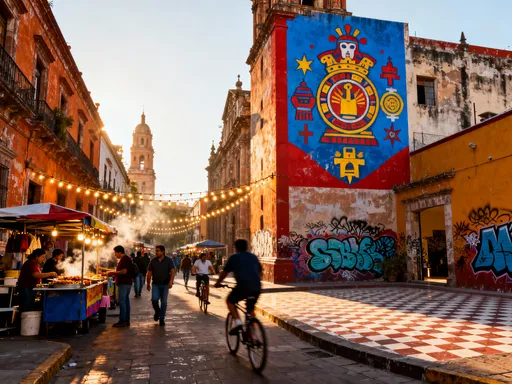
The city’s urban landscape further enhances its photographic appeal. Narrow alleyways lined with food carts, sun-dappled market halls with stained-glass ceilings, and neon-lit night markets create dramatic backdrops that elevate food imagery. Natural light plays a crucial role—early morning light filtering through market awnings highlights the dew on fresh produce, while golden hour casts a warm glow over outdoor dining areas. Photographers can use the city’s contrasts—between old and new, industrial and organic, shadow and light—to craft compelling compositions that go beyond mere documentation and enter the realm of visual poetry.
Additionally, São Paulo’s food scene thrives on contrast. A high-end Japanese restaurant in Jardins may sit just blocks from a humble lanchonete serving cachorro-quente with outrageous toppings. This juxtaposition offers endless opportunities for visual storytelling. By capturing both ends of the spectrum, photographers can illustrate the full breadth of São Paulo’s food identity—one that values both refinement and accessibility, tradition and reinvention. The city doesn’t just feed its people; it expresses its soul through food, and every meal is an invitation to witness and record that expression.
The Heartbeat of the City: Exploring Mercado Municipal
No visit to São Paulo’s food landscape is complete without stepping into the iconic Mercado Municipal, affectionately known as Mercadão. Housed in a grand early 20th-century building with a striking iron structure and stained-glass dome, the market is a feast for the senses long before you taste a single dish. Sunlight filters through the colorful glass, casting mosaic patterns across polished stone floors, illuminating stalls piled high with exotic fruits, hanging sausages, and wheels of aged cheese. The air hums with conversation, the sizzle of grills, and the scent of garlic, citrus, and wood smoke. For photographers, Mercadão is a living studio—every corner offers a new composition, every vendor a potential portrait subject.
One of the most photographed features of the market is its fruit section. Towering pyramids of tropical produce—bright yellow maracujá (passion fruit), spiky green jaca (jackfruit), and creamy pink cupuaçu—create vivid, almost surreal displays. These fruits are not only visually stunning but culturally significant, representing the biodiversity of Brazil’s rainforests and river basins. Close-up shots reveal intricate textures: the fibrous surface of a peeled pequi, the glistening flesh of a halved acerola, or the sticky sap of a freshly cut ingá. Photographers can use macro lenses to emphasize these details, transforming ordinary ingredients into abstract art.
Another must-capture moment is the famous mortadella sandwich served at the market’s sandwich counter. Thick slices of imported Italian mortadella, fresh mozzarella, and crisp lettuce are piled between crusty French bread, then cut in half and wrapped in paper. The sandwich has become a symbol of São Paulo’s Italian heritage and is often photographed mid-bite, cheese stretching, ingredients spilling out. The best time to shoot is mid-morning, when the light from the dome is soft and diffused, and the counter is busy but not overwhelmed. Capturing the vendor’s hands assembling the sandwich adds a human element, emphasizing craftsmanship and tradition.
Responsible photography is essential in such a vibrant public space. While the market is generally welcoming to visitors with cameras, it’s important to ask permission before photographing vendors or customers, especially in close-up or candid shots. A simple smile and gesture toward your camera can go a long way. Some vendors may even pose proudly, eager to share their work. This mutual respect not only ensures ethical practice but often leads to deeper connections and more authentic images. The goal is not to take pictures of the market, but to collaborate with it, becoming part of its rhythm rather than an outsider looking in.
Hidden Eats: Finding Authentic Flavors in Local Botecos and Family Kitchens
Beyond the well-trodden paths of tourist guides lies a quieter, more intimate side of São Paulo’s food culture—found in neighborhood botecos and family-run kitchens. These unassuming bars and home-style eateries are where locals gather after work, sharing small plates known as copos e petiscos over glasses of cold beer or caipirinha. Unlike formal restaurants, botecos thrive on spontaneity and warmth. The atmosphere is lively, sometimes noisy, always genuine. For photographers, they offer a rare chance to document food in its most social context—where meals are not performances but rituals of connection.
Neighborhoods like Vila Madalena, known for its bohemian vibe and street art, and Mooca, with its strong Italian roots, are rich with these hidden gems. In a dimly lit boteco on a side street, you might find a group of friends laughing over plates of bolinho de bacalhau (salted cod fritters) or a couple sharing a platter of grilled chorizo. These moments are fleeting—laughter, a raised glass, a hand reaching for the last pastel—making them perfect subjects for candid photography. Using a fast lens with a wide aperture allows for clear images even in low light, preserving the mood without relying on harsh flash.
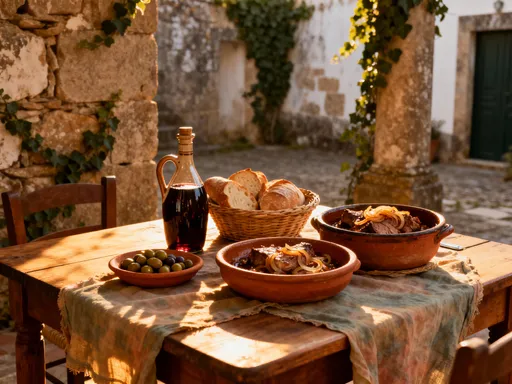
One of the most photographed dishes in these settings is feijoada, Brazil’s national stew made with black beans and various cuts of pork. Traditionally served on Wednesdays and Saturdays, it’s often enjoyed in family homes or rustic restaurants. Documenting a home-cooked feijoada means capturing more than the dish—it means showing the matriarch stirring the pot, the grandchildren setting the table, the steam rising from the serving dish. These images tell a story of continuity, of recipes passed down through generations. Similarly, pão de queijo, the beloved cheese bread made with tapioca flour, is often photographed fresh from the oven, golden and puffed, pulled apart to reveal its chewy interior.
Gaining access to such personal spaces requires patience and trust. Simply walking into someone’s kitchen with a camera is not appropriate. Instead, building relationships—through local guides, food tours, or community events—can open doors. A shared meal is often the best introduction. When people see genuine interest in their culture and cuisine, they are more likely to welcome you into their world. The resulting photographs are not just visually rich but emotionally resonant, carrying the warmth of human connection. In these quiet corners of São Paulo, food is not just sustenance—it’s love, memory, and belonging, all captured in a single frame.
Liberdade District: A Visual Journey Through São Paulo’s Japanese-Brazilian Food Fusion
Walking through Liberdade, São Paulo’s historic Japanese district, feels like stepping into another world. Colorful torii gates arch over tree-lined streets, lanterns sway in the breeze, and shop signs display both kanji and Portuguese. As the largest Japanese community outside Japan, Liberdade is a living testament to cultural fusion, and nowhere is this more evident than in its food. Sushi bars, ramen shops, and fusion bakeries line the streets, offering everything from traditional tempura to Brazilian-influenced sushi rolls filled with cream cheese and mango. For photographers, Liberdade is a visual playground—where precision meets passion, and tradition dances with innovation.
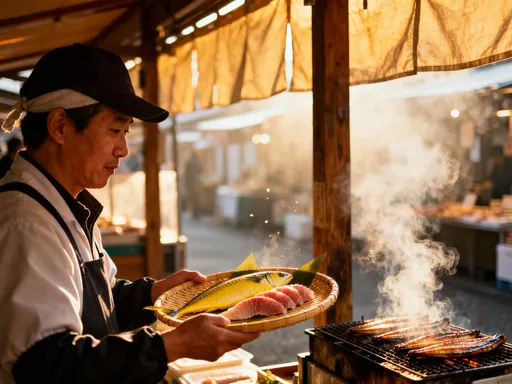
The food here is as much about presentation as it is about taste. In a small sushi bar, you might watch a chef carefully place a slice of atum (tuna) on a bed of vinegared rice, the knife glinting under soft lighting. The meticulous arrangement of ingredients—the pink of salmon, the green of wasabi, the white of pickled ginger—creates a natural color harmony that is instantly photographable. Even the tableware contributes to the aesthetic: minimalist ceramic plates, lacquered boxes, and bamboo trays enhance the visual elegance of each dish. Photographers can use shallow depth of field to isolate a single piece of nigiri, drawing attention to its texture and sheen.
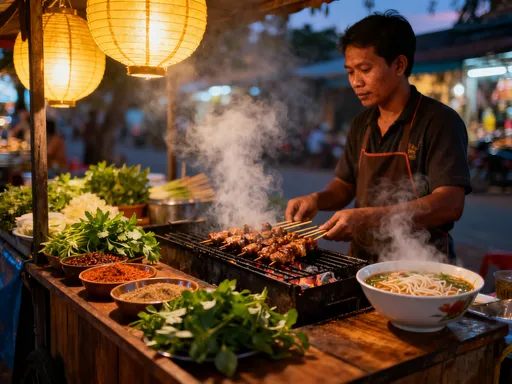
Nightfall transforms Liberdade into a neon-lit dreamscape. Street food carts glow under red and blue signs, steam rising from pots of miso soup and grilled yakitori. The fogged windows of ramen shops reveal silhouettes of diners leaning over steaming bowls, chopsticks in hand. These conditions present unique challenges and opportunities for night photography. A tripod or stabilized lens helps prevent blur in low light, while a slightly slower shutter speed can capture the motion of a chef flipping skewers or a customer blowing on a hot spoonful of soup. The interplay of artificial light and steam creates a dreamy, almost cinematic atmosphere—perfect for storytelling images that convey warmth and intimacy.
Seasonal offerings add another layer of visual interest. During festivals like Obon, bakeries display daifuku—soft mochi filled with sweet red bean paste—while sushi bars feature limited-edition temaki rolls wrapped in nori and shaped like flowers or fans. These temporary creations invite photographers to document not just food, but celebration. The care with which these dishes are prepared and presented reflects a deep respect for both Japanese tradition and Brazilian creativity. In Liberdade, food is not just eaten—it is performed, honored, and shared, one beautifully composed plate at a time.
Street Food as Art: Documenting São Paulo’s Night Markets and Food Trucks
São Paulo’s night markets are where the city’s culinary energy reaches its peak. Events like the Mercado Noturno in Vila Madalena and the weekly gatherings at Praça da República turn public squares into open-air food festivals. Dozens of vendors set up stalls, grills sizzle, music plays, and crowds wander with plates in hand. For photographers, these events are a goldmine of dynamic, high-energy scenes. The combination of movement, smoke, color, and light creates a visual rhythm that is both chaotic and harmonious—a perfect subject for storytelling through photography.
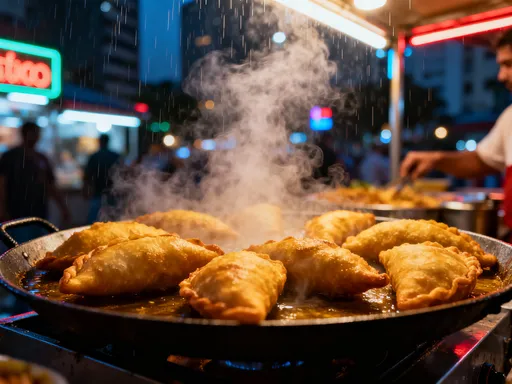
One of the most iconic street foods you’ll encounter is the pastel, a deep-fried pastry filled with cheese, meat, or hearts of palm. Cooked fresh in large vats of oil, they emerge golden and crisp, often photographed mid-flip or being handed to a waiting customer. The contrast between the flaky crust and the molten filling makes for irresistible close-ups. Similarly, coxinha, the teardrop-shaped croquette filled with shredded chicken, is a favorite for its texture and nostalgic appeal. Photographing a vendor shaping dozens by hand highlights the skill and repetition behind street food mastery. Churros recheados, or stuffed churros, add a sweet finale—crispy on the outside, oozing with dulce de leche or chocolate, dusted with sugar under warm string lights.
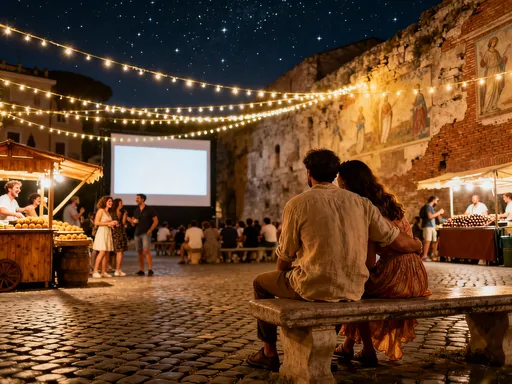
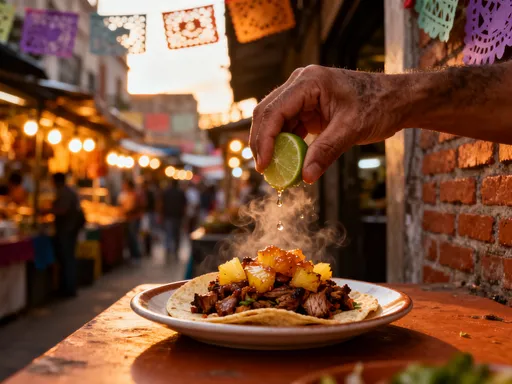
To capture the essence of these markets, photographers should balance wide-angle shots with intimate details. A wide shot can convey the scale and energy of the scene—the sea of people, the rows of glowing stalls, the strings of fairy lights above. Meanwhile, close-ups of hands sprinkling salt, smoke curling from a grill, or a child’s eyes lighting up at the first bite add emotional depth. Using motion blur creatively—such as a slightly blurred hand passing a plate—can convey movement and liveliness without sacrificing clarity. Depth of field is another powerful tool: blurring the background while keeping a single pastel in sharp focus draws the viewer’s eye to the subject while still suggesting the bustling environment.
These night markets are more than just places to eat—they are community events, social hubs where people from all walks of life come together. Photographing them means capturing not just food, but joy, connection, and urban life in motion. The images become records of a moment, a place, a shared experience. In São Paulo, street food is not a compromise—it’s a celebration, and every bite is a story waiting to be told through the lens.
Behind the Lens: Practical Photography Tips for Capturing Food Culture
Capturing São Paulo’s food culture effectively requires more than a good camera—it demands intention, sensitivity, and technical awareness. While professional gear can enhance image quality, even smartphones with advanced cameras can produce stunning results when used thoughtfully. The key is to prioritize natural light whenever possible. In markets and outdoor settings, early morning and late afternoon offer the most flattering illumination. Harsh midday sun can create unflattering shadows, so seek shaded areas or use diffusers to soften the light. Inside dimly lit botecos or night markets, increase your ISO carefully to avoid noise, and use image stabilization to prevent blur.
Composition plays a vital role in food photography. The rule of thirds helps create balanced images, placing the main subject—such as a bowl of stew or a vendor’s hands—at intersecting points of the frame. Leading lines, like the aisles of a market or the edge of a counter, can guide the viewer’s eye toward the focal point. Framing with natural elements—such as hands holding a plate, steam rising from a dish, or utensils resting nearby—adds context and intimacy. Avoid cluttered backgrounds; instead, use a wide aperture to blur distractions and keep attention on the subject.
Editing should enhance, not distort. Aim to preserve the true colors of the food—over-saturating reds or warming tones too much can make images look artificial. Subtle adjustments to contrast and brightness can bring out textures without losing detail. Cropping can improve composition, but avoid cutting out important elements like a vendor’s expression or a shared moment between diners. The goal is authenticity: let the scene speak for itself, with minimal interference.
Equally important is cultural respect. Always ask before photographing people, especially in private or intimate settings. A nod, a smile, or a simple “Posso fotografar?” (Can I take a photo?) goes a long way. In some cases, offering to share the photo afterward builds trust and goodwill. Remember, you are a guest in these spaces. Your camera is not a passport to intrusion, but a tool for connection. When used with care and humility, it can create images that honor the people, the food, and the culture you are documenting.
Why This Journey Matters: The Story Food Photography Tells
Photographing São Paulo’s food scene is about more than capturing beautiful images—it’s about preserving a living culture. Every meal, every market, every shared moment at a boteco table reflects the city’s history, diversity, and resilience. These photographs become visual archives, recording not just what people eat, but how they live. They show the pride of a vendor arranging her fruit display, the concentration of a chef shaping sushi, the joy of a family gathered around a pot of feijoada. In an age of rapid urban change, such images serve as reminders of what endures: tradition, community, and the simple act of breaking bread together.
There is also a deep emotional resonance in food photography. A single image can evoke memory, longing, or inspiration. It can transport someone to a bustling São Paulo market, make them smell the grilling meat, feel the warmth of a freshly baked pão de queijo. For travelers, these photos are more than souvenirs—they are invitations to look deeper, to move beyond taste and engage with cuisine as a form of storytelling. Food is one of the most universal languages, and photography amplifies its voice.
São Paulo teaches us that food is not just fuel—it is identity, memory, and connection. To photograph it is to honor that truth. Whether through the vibrant chaos of a night market or the quiet dignity of a home kitchen, every image adds to a larger narrative about what it means to nourish and be nourished. So pick up your camera, walk the streets, and let the city feed your lens. Because in São Paulo, every meal is a masterpiece—and every bite deserves to be seen.