You Won’t Believe What I Discovered at Rome’s Festival Scene
Rome isn’t just ancient ruins and gelato—it comes alive during its festivals in ways you’d never expect. I went during Festa di Roma, and honestly, it hit different. Think open-air cinema under the stars, food trucks serving regional specialties, and locals dancing in piazzas like no one’s watching. This is where tradition meets modern energy. If you’ve only seen the Colosseum, you’re missing half the story. Festivals in Rome aren’t just events—they’re living expressions of culture, community, and celebration that transform the city into something far more intimate and vibrant than any guidebook can capture. These moments reveal a Rome that breathes, dances, and shares itself beyond postcard views.
The Magic of Rome Beyond the Postcards
Rome, often seen through the lens of its timeless monuments, reveals a completely different character when its festival season begins. The city’s soul doesn’t reside solely in marble columns or frescoed chapels—it pulses in the laughter spilling from piazzas, the clinking of wine glasses at midnight, and the spontaneous music drifting through cobbled alleyways. During festivals, neighborhoods like Trastevere and Testaccio shed their daytime calm and ignite with color, sound, and movement. Streets once lined with quiet cafes become stages for life itself. What makes these transformations so powerful is their authenticity. Unlike curated tourist experiences, these celebrations are deeply rooted in local life, shaped by generations of tradition yet refreshed by contemporary energy.
By day, Rome welcomes millions to walk in the footsteps of emperors and popes. But by night, especially during festival periods, the city belongs to its people. The Colosseum may draw cameras, but the real magic unfolds in places like Piazza Santa Maria or Monte dei Cenci, where children spin under fairy lights and elders sway to folk melodies. The contrast between Rome’s historical facade and its living culture is most striking during these times. Visitors who stay for the evening discover a rhythm that no museum audio guide can replicate—a rhythm driven by joy, community, and shared memory. This duality is what makes Rome unforgettable: it honors its past without being trapped by it.
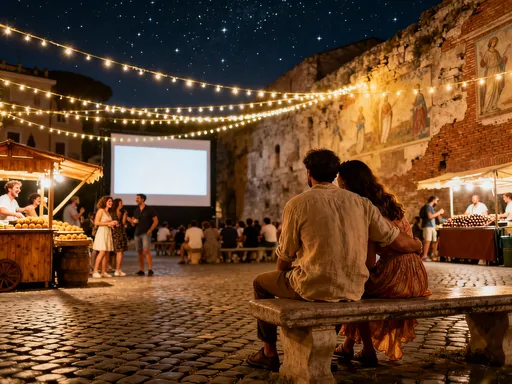
Festivals act as bridges between centuries. They allow ancient spaces to be repurposed for modern joy without losing their significance. Watching a film beneath the stars at an open-air screening near the Baths of Caracalla, for instance, connects viewers not only to cinematic art but also to the Roman tradition of gathering under the open sky. The city’s architecture becomes more than a backdrop—it becomes a participant. These moments remind us that Rome is not a museum piece frozen in time, but a dynamic, evolving city where history and humanity coexist in harmony.
Festa di Roma: More Than Just a Film Festival
Held annually at the Auditorium Parco della Musica, the Festa di Roma has grown from a modest film showcase into one of the city’s most anticipated cultural events. While it began with a focus on Italian and international cinema, it has evolved into a public celebration that blends art, accessibility, and community. What sets it apart is its openness—many screenings are free and held outdoors, inviting both cinephiles and casual visitors to experience world-class films under the Roman sky. The main venue, designed by renowned architect Renzo Piano, provides a sleek, modern contrast to the city’s ancient landscape, symbolizing Rome’s ability to embrace innovation while honoring tradition.
Attending a screening during Festa di Roma is more than watching a movie—it’s an immersive experience. Imagine reclining on a lawn with hundreds of others, a soft breeze carrying the scent of jasmine, as the first scenes of an acclaimed European drama unfold on a giant screen with the city’s skyline glowing in the distance. The atmosphere is electric yet relaxed, a rare combination that reflects the Italian approach to celebration: elegant, unhurried, and deeply social. After the film, director Q&As often follow, offering insight into the creative process and fostering a sense of connection between artists and audiences.
What makes the festival truly special is its diversity. You’ll find young couples sharing a blanket, families with children wrapped in sweaters, and groups of friends sipping prosecco from paper cups. Expats, tourists, and lifelong Romans mingle effortlessly, united by a love of storytelling. This inclusivity is by design—the organizers prioritize accessibility, offering subtitles in multiple languages and hosting panels on topics like sustainable filmmaking and women in cinema. Installations and art exhibits scattered throughout the venue add another layer, turning the festival into a multidimensional cultural journey.
Festa di Roma also serves as a platform for emerging talent. Short films by Italian directors often premiere here, giving local voices a chance to shine on an international stage. Educational workshops for teens and film students further strengthen the festival’s role as a cultural incubator. It’s not just about entertainment; it’s about inspiration, dialogue, and the belief that art can bring people together. For visitors, attending even one evening of the festival offers a rare glimpse into Rome’s contemporary creative spirit—an aspect often overlooked by those who focus solely on antiquity.
Religious Roots, Modern Celebrations: The Feast of Saints
One of the most moving aspects of Rome’s festival culture is how deeply it is intertwined with faith. Events like the Festa de’ Noantri in Trastevere, whose name means “Our Feast” in Roman dialect, showcase how religious devotion and public celebration coexist in beautiful harmony. Held every July in honor of the Madonna del Carmelo, this week-long festival begins with a solemn religious procession. A statue of the Virgin Mary is carried through the narrow streets on the shoulders of local men, accompanied by candlelight, hymns, and the tolling of church bells. For residents, this ritual is not performance—it is an act of gratitude, identity, and continuity.
Yet the reverence doesn’t end with the procession. As dusk falls, the same streets transform into a lively fairground. Music stages pop up, featuring everything from traditional Roman ballads to modern pop and jazz. Artisan stalls sell handmade ceramics, embroidered linens, and religious icons, while food vendors offer classics like fried rice balls and grilled sausages. Children ride small carnival rides, and teenagers gather in groups, laughing and texting under strings of colored lights. The blend of sacred and festive is seamless, reflecting a culture where faith is not separate from daily life but woven into its fabric.
What makes the Festa de’ Noantri so authentic is that it was created by and for the people of Trastevere. While tourists are welcome, the festival isn’t designed to cater to them. There are no scripted performances or English-language signs—just real life unfolding as it has for over a century. Families set up folding chairs outside their homes, sharing wine and stories with neighbors. Elders bless young couples, and priests mingle with musicians. This sense of ownership gives the event its emotional weight. It’s not a show; it’s a homecoming.
Other neighborhoods host similar celebrations. In Testaccio, the Sagra di Santa Maria is marked by open-air masses and communal meals. In the historic Jewish Ghetto, cultural festivals honor heritage through music, food, and storytelling. These events remind us that Rome’s identity is not monolithic—it is made up of distinct communities, each with its own rhythm and traditions. By participating, even as a quiet observer, visitors gain a deeper understanding of what it means to belong to this city.
Food as Festival: Savoring Rome’s Seasonal Specials
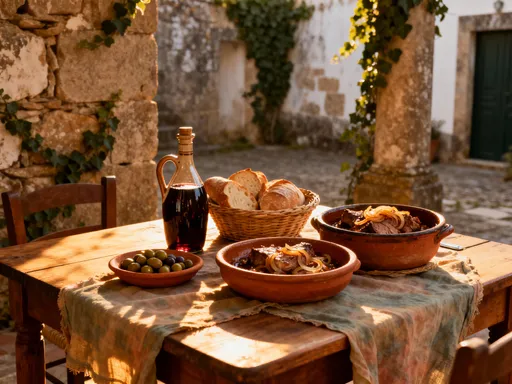
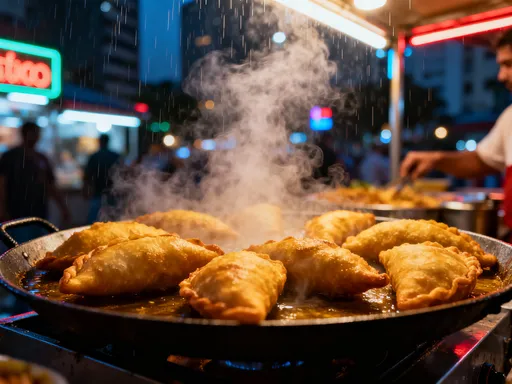
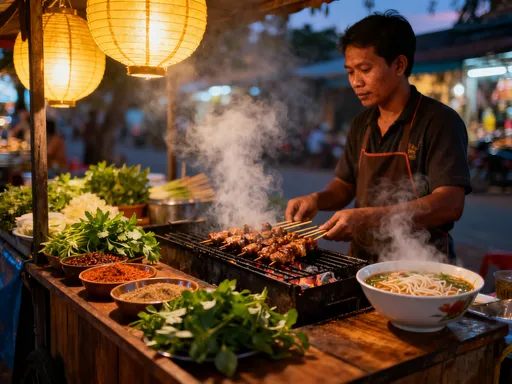
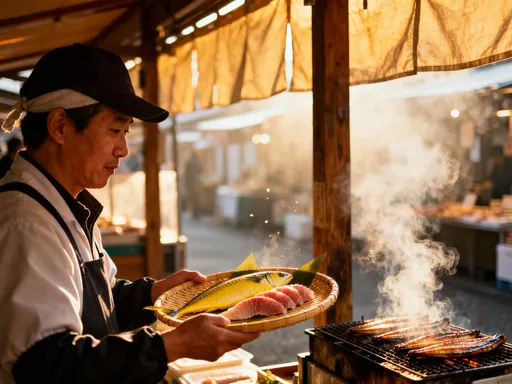
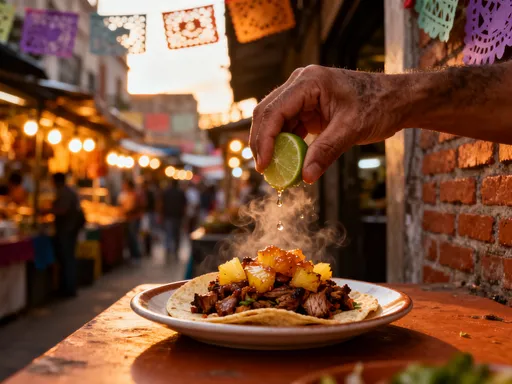
In Rome, food is never just sustenance—it is celebration, memory, and identity. During festivals, this truth becomes undeniable. Street food takes center stage, offering a delicious cross-section of regional flavors and family recipes passed down through generations. One bite of a golden supplì—crispy on the outside, oozing with mozzarella and tomato sauce—can transport you to a Roman grandmother’s kitchen. Porchetta sandwiches, made with slow-roasted pork seasoned with wild herbs, are sold at wooden carts and devoured on the spot. Maritozzi, sweet buns filled with whipped cream, appear at dawn festivals, often enjoyed with a strong espresso.
The sensory experience of festival food is overwhelming in the best way. The air is thick with the scent of frying zucchini flowers, grilled eggplant, and rosemary-roasted potatoes. Narrow alleys become food alleys, lined with vendors shouting specials and handing out samples. Regional wine tastings allow visitors to sip bold reds from Lazio or crisp whites from the hills outside the city. Craft beer, once rare in traditional Rome, now has its place, with small breweries setting up tents offering hoppy lagers and amber ales. Even non-alcoholic options shine—homemade lemonade infused with basil, or almond milk served cold in terracotta cups.
What makes eating during festivals so special is the social dimension. Meals are rarely eaten alone. Strangers share tables, swap bites, and recommend their favorite stalls. A simple sandwich becomes a conversation starter. Children trade sweets, and elders offer advice on the best cheese pairings. This communal approach to food reflects a broader Italian value: that joy is multiplied when shared. Unlike formal dining, festival eating is spontaneous, joyful, and unpretentious. There are no reservations, no dress codes—just good food and good company.
For visitors, trying festival foods is one of the most authentic ways to connect with Roman culture. Each dish tells a story—of harvests, family gatherings, and seasonal change. Many are only available during specific times of year, making them even more precious. By seeking out these flavors, travelers move beyond sightseeing and into real experience. And while gelato remains a favorite, discovering lesser-known treats like crescia (a savory flatbread from nearby regions) or mostaccioli cookies can turn a simple snack into a cultural revelation.
Where to Stay and How to Move: Practical Festival Travel Tips
Planning a trip around Rome’s festival season requires some strategy, especially since accommodations fill up quickly and transportation can get crowded. For the best experience, consider staying in central neighborhoods like Monti, Prati, or Trastevere. These districts offer easy access to major festival venues while maintaining a local feel. Monti, nestled between the Colosseum and the Roman Forum, is particularly charming—full of boutique hotels, family-run guesthouses, and quiet streets that contrast with the daytime crowds. Prati, just across the river from Vatican City, is more residential but well-connected by public transit. Trastevere, of course, is ideal during its own festival, offering front-row seats to the Festa de’ Noantri.
When it comes to getting around, Rome is a walkable city, and walking becomes even more enjoyable at night during festivals. The summer air is warm, the streets are lively, and many events are within a 20-minute stroll of each other. Biking is another excellent option—several rental services offer electric bikes, making it easy to cover more ground without fatigue. Public transportation also adapts during major festivals. The metro often runs later, and additional bus routes are introduced to handle increased demand. However, be prepared for delays and crowded trains, especially after popular evening events. Arriving early to screenings or concerts can help you avoid long lines and secure a good spot.
One of the biggest challenges during festival season is street closures. Many events take over entire neighborhoods, restricting vehicle access. While this enhances the pedestrian experience, it can complicate taxi drop-offs or luggage transport. If you’re staying in a historic district, confirm with your hotel about access policies during peak festival days. Booking accommodations three to four months in advance is highly recommended, especially for events like Festa di Roma or the July celebrations in Trastevere. Look for places that offer breakfast, as this can save time in the morning and give you energy for a full day of exploring.
To make the most of your time, consider purchasing a Roma Pass. This card offers free entry to two museums or archaeological sites and unlimited public transportation for 72 hours. More importantly, it includes skip-the-line access, which can save hours at places like the Colosseum or the Vatican Museums. Pair it with a downloaded city map or a reliable navigation app, and you’ll move through Rome with confidence. Finally, pack comfortable shoes—Rome’s cobblestones are unforgiving—and a light jacket for evening breezes. With a little planning, your festival experience can be as smooth as it is magical.
Hidden Gems: Local-Only Festival Moments
While major festivals draw crowds, some of the most memorable experiences in Rome happen quietly, away from the spotlight. These are the local-only moments—spontaneous, unadvertised, and deeply authentic. You might stumble upon a small sagra in a quiet neighborhood, where a parish church hosts a weekend-long food festival featuring dishes you won’t find on any tourist menu. Or you could hear the faint sound of jazz drifting from a courtyard in the Jewish Ghetto during a cultural night event, leading you to an impromptu concert with only a dozen attendees. These moments feel like gifts—exclusive not because they’re hidden, but because they’re shared.
Such experiences are rarely listed in guidebooks or official event calendars. They emerge from community life—the weekly gatherings at a neighborhood piazza, the birthday celebration for a beloved shop owner, the summer solstice toast at a family-run trattoria. To find them, you need to slow down. Spend an evening not chasing attractions, but simply walking. Sit at a local bar and strike up a conversation. Ask the barista where people really go on weekends. Check community bulletin boards outside churches or grocery stores. Some neighborhoods even have active social media groups where residents post about upcoming events.
One traveler’s unforgettable memory might be joining a group of seniors dancing tarantella in a backstreet during Festa de’ Noantri. Another might recall being handed a glass of homemade wine by a stranger who insisted, “This is how we celebrate.” These interactions don’t happen on schedules—they happen when you’re present, open, and willing to engage. They remind us that the heart of Rome isn’t in its monuments, but in its people.
For families visiting during festival season, these hidden moments can be especially meaningful. Children respond to the warmth, music, and generosity they encounter. A simple gesture—like an elder offering a child a piece of candy during a procession—can leave a lasting impression. These are the experiences that stay with you long after the trip ends, shaping how you remember Rome not as a destination, but as a feeling.
Why Festival Rome Stays With You
The impact of experiencing Rome through its festivals goes far beyond the duration of the events themselves. While the lights eventually dim and the music fades, the memories linger—vivid, warm, and deeply personal. There’s something about laughing in a crowded piazza, sharing food with strangers, or watching a film beneath a sky full of stars that touches the soul. These moments create emotional imprints that no photograph can fully capture. They remind us that travel is not just about seeing, but about feeling—about connection, presence, and joy.
Festivals offer a rare opportunity to witness Rome as a living city, not just a historical one. They allow visitors to step beyond the role of observer and become, even briefly, part of the community. This shift—from spectator to participant—is what makes the experience so powerful. You’re no longer just learning about culture; you’re living it. Whether it’s swaying to music in Trastevere, tasting a family recipe at a neighborhood sagra, or simply watching children play under strings of lights, these moments foster a deeper understanding of what Rome truly is.
And perhaps most importantly, festival experiences are timeless in their simplicity. They don’t require luxury or privilege—just openness and curiosity. A glass of wine, a shared smile, a song in the night—these are the ingredients of lasting memory. They remind us that happiness often comes not from grand gestures, but from small, shared human moments.
For anyone planning a trip to Rome, the message is clear: don’t just visit the landmarks. Time your journey around the city’s festivals. Let the rhythm of local life guide your days. Seek out both the grand celebrations and the quiet moments in between. Because when you experience Rome through its festivals, you don’t just see the city—you feel its heartbeat. And that is something you’ll carry with you long after you’ve returned home.