You Gotta See How Georgetown’s Public Spaces Steal the Show
Georgetown, Guyana, surprised me in ways I never expected. Beyond the colonial charm and tropical breeze, it’s the public spaces that truly define the city’s soul. From palm-lined squares to bustling markets, these shared places aren’t just for locals—they’re where culture breathes, stories unfold, and travelers feel instantly at home. If you think parks and plazas are just background scenery, think again. Here’s why they’re the heart of the real Georgetown.
The Pulse of the City: Why Public Spaces Matter in Georgetown
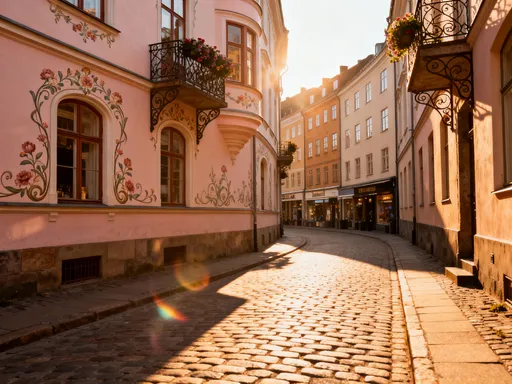
Public spaces in Georgetown are far more than decorative corners of the city—they are the living rooms of its communities. These open areas serve as vital connectors between people, cultures, and daily rhythms, forming the backbone of urban life in Guyana’s capital. Unlike cities where public interaction is often privatized or confined to shopping malls, Georgetown thrives in its shared outdoor environments. Here, sidewalks become meeting points, plazas host impromptu gatherings, and green spaces offer refuge from the tropical heat. The city’s design, rooted in 19th-century British colonial planning, features a grid layout with wide avenues and strategically placed open areas, creating natural hubs for social and economic activity.
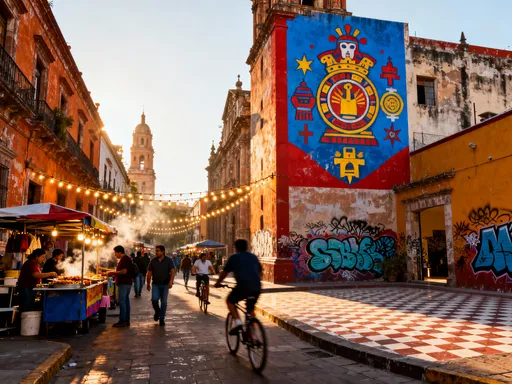
What makes these spaces so essential is their accessibility. There are no gates, no entry fees, and no exclusivity. A mother walks her child through a shaded garden on the way to school; a group of elders plays dominoes under a canopy of almond trees; a street vendor sets up her fruit stand near a busy intersection. These moments are not isolated—they are part of a continuous, citywide conversation that happens in the open air. The informal economy flourishes in these zones, with small-scale traders selling everything from cassava bread to handmade brooms. This organic blend of commerce, leisure, and community life reflects the Caribbean spirit of resilience and connection.
Moreover, public spaces in Georgetown play a quiet but powerful role in preserving cultural identity. Monuments, historic lampposts, and century-old trees serve as silent storytellers, anchoring residents to their shared past. During national holidays, Independence Square becomes a stage for parades and performances, reinforcing a sense of unity and pride. Even in everyday moments—like a steelpan rehearsal in a neighborhood park or a choir practicing near a church courtyard—the city’s cultural heartbeat is unmistakable. These spaces are not just functional; they are emotional touchstones that foster belonging.
Botanical Gardens: More Than Just a Pretty Park
At the heart of Georgetown’s public life lies the Botanical Gardens, a 55-acre oasis established in 1896. Originally developed as a research site for tropical plants, the gardens have evolved into one of the city’s most beloved recreational spaces. Framed by towering mahogany, poui, and silk cotton trees, the gardens offer a rare combination of natural beauty, historical significance, and urban accessibility. Paths meander beneath dense canopies, creating cool, shaded corridors that invite walking, reading, or quiet reflection. Benches are thoughtfully placed, often near fountains or ornamental ponds where turtles bask and children toss bread to koi fish.
The gardens are more than a scenic escape—they serve as a green lung for the city. With Georgetown sitting below sea level in many areas, the role of vegetation in temperature regulation and flood mitigation is increasingly important. The dense foliage helps reduce urban heat, while the root systems of mature trees support soil stability. Birdwatchers often spot native species like the troupial, Guyana’s national bird, flitting between branches. The gardens also host a small zoo section with local wildlife, including the endangered red saki monkey, offering educational value for families and school groups.
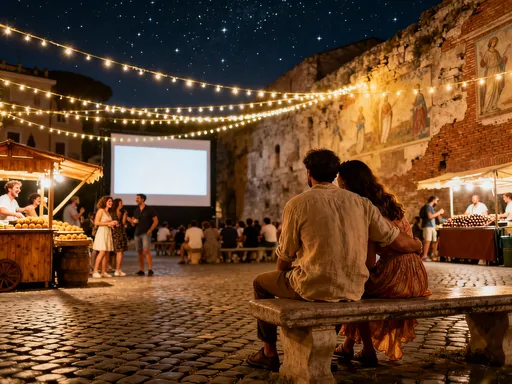
Weekends transform the space into a lively social venue. Families spread picnic blankets under the trees, teenagers gather near the bandstand, and couples stroll along the central promenade. Cultural events, such as outdoor concerts and craft fairs, are frequently held here, drawing crowds from across the city. What’s remarkable is how seamlessly the gardens balance tranquility with activity. Even during peak hours, there’s a sense of calm, a rhythm that encourages slowing down. This duality—serene yet social—is what makes the Botanical Gardens a model of successful public space design.
Square Mile Magic: Walking Through the Historic Core
Georgetown’s city center, often referred to as the “Square Mile,” is a living museum of colonial architecture and urban planning. At its core are several key public squares that anchor both navigation and civic life. Stabroek Market, though technically a market structure, occupies a vast open plaza and functions as a central node of commerce and transit. Its iconic cast-iron canopy, imported from Scotland in the 1880s, rises like a cathedral over the bustling activity below. Vendors sell everything from fresh produce to handmade jewelry, while commuters stream through on their way to ferry terminals and bus stops.
Just a short walk away, Independence Square stands as a symbol of national pride. Once known as Bourda Square, it was renamed after Guyana’s independence in 1966 and now hosts official ceremonies, public gatherings, and cultural festivals. The square features a central monument honoring national heroes, surrounded by manicured lawns and royal palms. Unlike more rigidly formal plazas in other capitals, this space feels lived-in. Office workers eat lunch on benches, students study under trees, and tourists pause to take photographs. The surrounding buildings—government offices, churches, and historic townhouses—add to the sense of layered history.
Walking through this area reveals the city’s unique rhythm. Mornings begin with a quiet hum as street cleaners sweep sidewalks and vendors set up stalls. By midday, the energy peaks, with traffic, chatter, and the occasional steelband rehearsal filling the air. In the late afternoon, the pace slows again, and residents return to enjoy the cooler temperatures. The wide boulevards, such as North Road and Middle Street, are designed to accommodate both movement and pause—wide enough for traffic, yet lined with trees and benches that encourage lingering. This thoughtful balance between function and comfort is what makes the historic core so inviting.
Street Life as Public Space: Markets and Sidewalk Culture
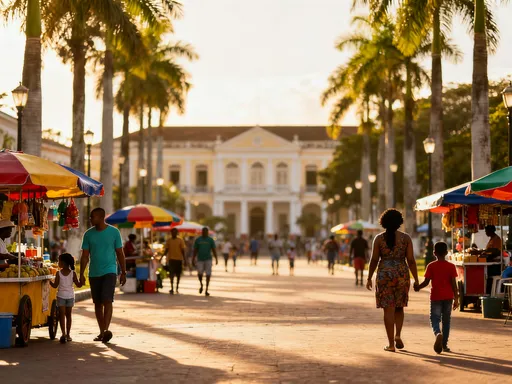
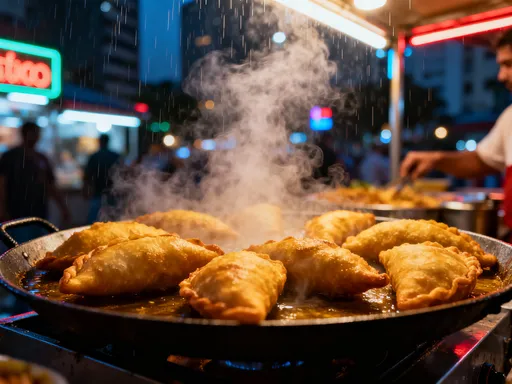
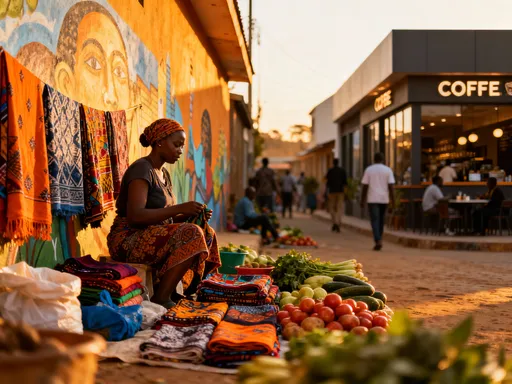
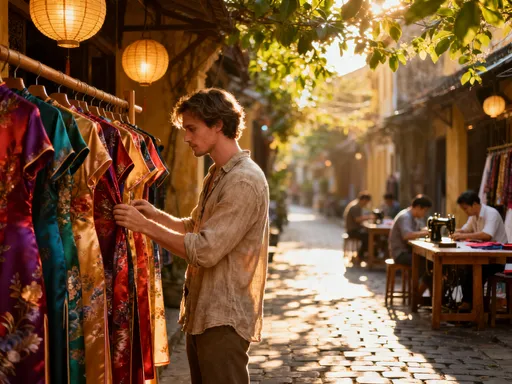
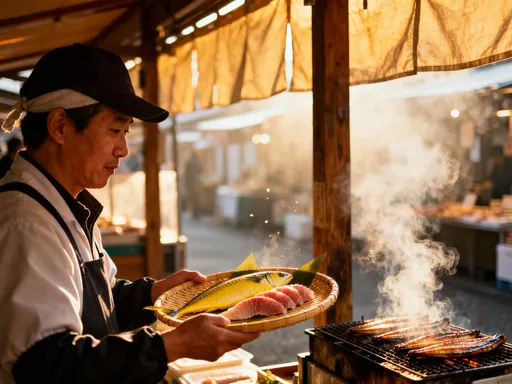
While formal parks and plazas are important, some of Georgetown’s most vibrant public spaces exist informally—on sidewalks, in market alleys, and along busy thoroughfares. The Public Market, located near the Demerara River, is a prime example. Open daily, it operates under a series of long, low buildings with corrugated roofs, each section dedicated to different goods: one for vegetables, another for meats, and others for spices, flowers, and household items. The air is rich with the scent of nutmeg, fresh coconut, and grilled street food. Vendors call out prices in a melodic cadence, and shoppers haggle with friendly persistence.
These markets are not just places to buy food—they are social institutions. They foster interaction across generations and communities, serving as informal meeting places where news is exchanged and relationships are nurtured. A woman buying yams might stop to chat with a childhood friend; a tourist asking for directions might end up sharing a meal with a vendor. The act of shopping becomes a shared experience, rooted in trust and familiarity. This kind of organic connection is difficult to replicate in modern retail environments.
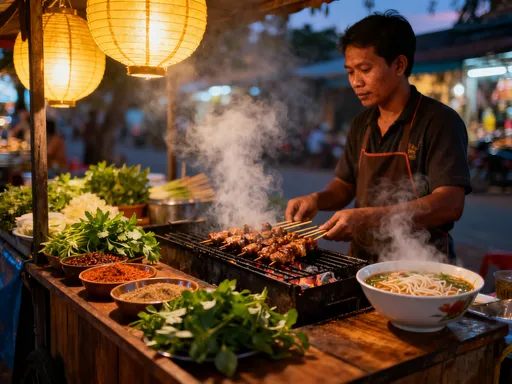
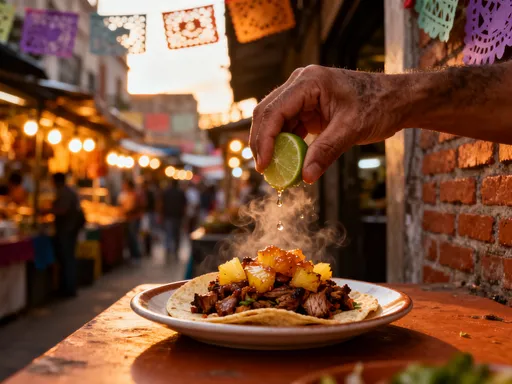
Sidewalk culture extends beyond markets. In neighborhoods like Kitty and Lodge, footpaths double as community spaces. Children play games with bottle caps, elders sit on doorsteps fanning themselves, and food carts offer ready-to-eat meals like roti and pepperpot. These micro-spaces, though not officially designated as public parks, fulfill similar roles—they provide room for rest, play, and conversation. The city’s relatively low-rise buildings and open setbacks enhance this street-level vitality, allowing sunlight and airflow while maintaining a human scale. It’s a form of urbanism that prioritizes people over vehicles, a rarity in many rapidly developing cities.
Design That Works: Urban Planning With a Human Touch
One of the most remarkable aspects of Georgetown is how its colonial-era planning continues to support vibrant public life. Designed by British engineers in the 19th century, the city’s layout features broad streets, regular blocks, and an abundance of open spaces. While the original intent was practical—improving drainage and facilitating military movement—the long-term effect has been the creation of a walkable, breathable urban environment. The wide avenues, such as Avenue of the Republic and Regent Street, are lined with rows of royal palms and amherstia trees, creating shaded corridors that make walking comfortable even in the heat.
The city’s low building height—rarely exceeding three stories—ensures that sunlight reaches street level and that views remain unobstructed. This vertical restraint contributes to a sense of openness, making the city feel spacious despite its density. Public benches, lampposts, and drinking fountains are integrated into the streetscape, signaling an intention to accommodate lingering and rest. Even the drainage canals, which are essential for flood control, are lined with walkways and greenery, turning functional infrastructure into semi-public spaces.
This human-centered design was not necessarily intentional in a modern urban planning sense, but its outcomes align closely with contemporary principles of livability. Cities around the world now strive to create “15-minute neighborhoods” where daily needs are within walking distance. In Georgetown, this model exists organically. A resident can walk from home to the market, then to a park, and finally to a place of worship—all within a few blocks. The city’s layout encourages outdoor life, making public spaces not an afterthought, but a central feature of daily existence.
Challenges and Changes: Preserving Public Life in a Growing City
Despite their enduring appeal, Georgetown’s public spaces face growing pressures. Climate change poses a significant threat, particularly through increased rainfall and flooding. Because much of the city lies below sea level, heavy storms can inundate streets and damage infrastructure. Public parks and low-lying markets are especially vulnerable. In recent years, the city has invested in improved drainage systems and raised walkways, but these efforts must keep pace with environmental changes. Community groups have also stepped in, organizing clean-up drives and tree-planting campaigns to enhance resilience.
Urban development brings another set of challenges. As demand for housing and commercial space grows, there is pressure to repurpose open areas for construction. Some smaller green spaces have already been lost to parking lots or private buildings. However, public awareness of the value of shared spaces is rising. Advocacy efforts by local organizations have led to the protection of key areas, including sections of the Botanical Gardens and parts of the waterfront. City planners are increasingly consulting residents before making changes, recognizing that public spaces belong to the people.
Changing lifestyles also influence how these spaces are used. Younger generations, more connected to digital devices, may spend less time in traditional gathering spots. Yet, there are signs of adaptation. Social media has helped revive interest in public events, with photos of weekend concerts and food festivals drawing larger crowds. Some markets now accept mobile payments, blending tradition with modern convenience. These shifts, if managed thoughtfully, can strengthen rather than erode public life. The key is balancing progress with preservation, ensuring that growth does not come at the cost of community.
How to Experience Georgetown’s Public Spaces Like a Local
To truly connect with Georgetown, travelers should approach the city on foot and with an open mind. The best time to explore is early morning or late afternoon, when temperatures are milder and activity is at its most authentic. Start at the Botanical Gardens, where the air is fresh and the light filters gently through the trees. Bring a hat, water, and a small notebook—many visitors find joy in sketching or journaling under the shade. Stay long enough to witness the shift from quiet solitude to family picnics and music rehearsals.
From there, walk to Stabroek Market. Observe the rhythm of trade, the colors of fresh produce, and the craftsmanship of local goods. Engage respectfully—ask permission before taking photos, and consider buying a small item as a gesture of support. Try a slice of fresh mango or a cup of soursop juice from a sidewalk vendor. Then, head to Independence Square to see how locals unwind. Sit on a bench, watch the world go by, and listen to snippets of conversation in English, Creole, or Indigenous languages.
For a deeper experience, visit during a local festival or community event. Emancipation Day celebrations in August, for example, bring music, dance, and food to the public squares. Participating, even as an observer, fosters a sense of inclusion. Avoid rushing from one site to the next; instead, practice slow travel. Let yourself linger. Share a smile with a passerby. Buy a meal from a street cart and eat it on a park bench. These small acts of presence are what transform a visit into a meaningful encounter.
Georgetown’s true charm isn’t in grand monuments or tourist traps—it lives in the spaces between buildings, where people gather, laugh, and go about their lives. These public places are where the city reveals itself, unhurried and authentic. By choosing to linger in its gardens, markets, and squares, travelers don’t just see Guyana—they feel it. And that’s an experience worth seeking.