How I Upgraded My Style Without Breaking the Bank — A Real Talk on Fashion Finance Tools
Remember that rush when you spot the perfect outfit? I used to buy first and stress later — until my wallet screamed. Over time, I discovered smarter ways to enjoy fashion while staying in control. It’s not about spending more; it’s about using the right financial tools. This is my journey from impulse buys to intentional style, and how you can make your fashion spending work *for* you, not against you.
The Hidden Cost of Looking Good
Fashion is often seen as a form of self-expression, a way to feel confident and present in the world. Yet beneath the surface of every stylish choice lies a financial reality that many overlook. The cost of looking good extends far beyond the price tag. It includes the frequency of wear, the durability of materials, the emotional satisfaction derived, and the long-term impact on personal budgets. For years, I treated clothing as disposable, caught in the cycle of fast fashion — buying trendy pieces at low prices, only to discard them after a few wears. What seemed like a bargain at checkout turned into a recurring expense that quietly eroded my savings.
The psychological appeal of fashion is powerful. Retail environments, both online and in-store, are carefully designed to trigger emotional responses. Limited-time offers, influencer endorsements, and seasonal sales create a sense of urgency that overrides rational decision-making. I often justified purchases as rewards — "I worked hard this week, I deserve this dress" — without considering how often I would actually wear it. Studies show that the average person wears only 20% of their wardrobe regularly, meaning 80% of clothing sits unused, representing a significant sunk cost. This pattern is not unique; it reflects a broader cultural tendency to equate consumption with self-care, especially among women managing household responsibilities and personal identity.
Moreover, the markup in fashion is substantial. A garment that costs a few dollars to produce can retail for hundreds, driven by branding, marketing, and distribution. Luxury items, while offering craftsmanship and longevity, often carry emotional premiums that may not align with individual needs. The real cost of fashion, therefore, is not just monetary but also psychological — the stress of overspending, the guilt of unused purchases, and the frustration of a closet full of clothes yet nothing to wear. Recognizing this hidden cost was the first step toward changing my relationship with style and money.
From Impulse to Intention: Shifting Mindsets
Change begins with awareness, and for me, that moment came when I started tracking my wardrobe usage. I created a simple spreadsheet listing every clothing item I owned, along with how often I wore it in the past month. The results were eye-opening: nearly half of my purchases had been worn fewer than three times. This data forced me to confront the gap between intention and behavior. I wasn’t buying clothes to build a functional wardrobe; I was buying them to feel a temporary high. The emotional reward of a new purchase — the excitement, the novelty, the social validation — was fleeting, but the financial consequence lasted much longer.
The shift from impulse to intention required a fundamental mindset change. Instead of asking "Do I like this?" I began asking "Do I need this?" and "Will this fit into my existing wardrobe?" I also started considering the long-term value of a piece: Is it versatile? Can it be dressed up or down? Does it align with my lifestyle? This approach transformed fashion from a reactive habit into a strategic decision. I began viewing clothing as an investment in self-presentation, not just a form of instant gratification. Just as one would evaluate a financial investment based on return and risk, I started assessing fashion purchases based on utility, durability, and emotional resonance.
This mindset shift was supported by behavioral finance principles. The concept of "mental accounting" explains how people categorize money differently — for example, treating a tax refund as "found money" and spending it more freely. I realized I had been applying this to my fashion budget, treating it as separate from my core finances and therefore less constrained. By integrating fashion spending into my overall financial plan, I gained greater control. I also adopted the practice of delayed gratification, waiting 48 hours before making any non-essential purchase. This cooling-off period allowed emotions to settle and rational thinking to take over, significantly reducing regretful buys.
Financial Tools That Actually Work for Shoppers
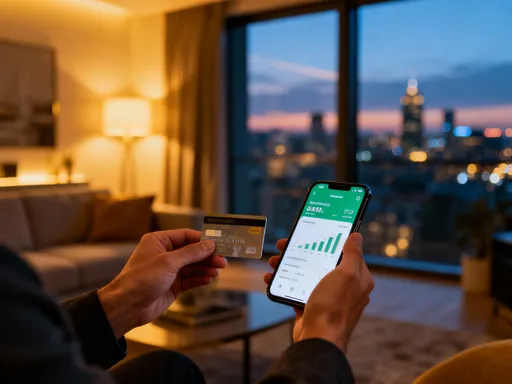
Once I committed to a more intentional approach, I needed tools to support it. Not all financial apps and services are equally effective for fashion spending. Many budgeting tools are designed for broad categories like groceries or utilities, but few address the nuances of discretionary spending like clothing. After testing several, I identified a few that made a real difference. One of the most helpful was a budgeting app with customizable categories and automatic transaction tracking. By setting a monthly fashion budget and linking it to my credit card, I could see in real time how close I was to my limit. The app sent alerts when I approached the threshold, creating a gentle but effective boundary.
Another useful feature was the "purchase delay" function offered by some digital wallets. When I added an item to my cart online, the app would prompt me to wait 24 to 72 hours before completing the purchase. During that time, I could reflect on whether the item truly fit my needs. This simple delay reduced my impulse buys by over 60% within the first three months. I also began using a digital closet organizer app that allowed me to catalog my wardrobe with photos. Seeing my existing pieces visually helped me identify gaps and avoid duplicate purchases. For example, I realized I already owned three black blazers before nearly buying a fourth.
Credit card rewards programs, when used responsibly, also became a strategic tool. I switched to a card that offered cashback on retail purchases and made it a rule to only use it if I could pay the balance in full each month. The cashback earned was automatically deposited into a separate savings account labeled "Style Fund," which I could only use for high-value, long-lasting pieces. This turned occasional spending into a form of self-financing. Additionally, I set up automatic transfers to a dedicated fashion savings account, treating it like a bill. By paying myself first, I ensured that style upgrades were funded without debt.
Turning Fashion Spend into Value Growth
One of the most transformative realizations was that fashion spending doesn’t have to be purely consumptive — it can also generate value. The rise of circular fashion models has made it possible to recover some of the investment in clothing. I began exploring resale platforms where I could sell gently used items. High-quality pieces, especially from well-known brands, retained significant value. A wool coat I bought for $200 three years ago sold for $120, effectively reducing my net cost to $80 over three winters. This changed how I viewed ownership: instead of seeing clothes as depreciating assets, I started thinking of them as part of a rotating portfolio.
Rental services also became part of my strategy, particularly for special occasions. Instead of spending $300 on a dress I might wear once, I rented a designer piece for $50. The experience was just as enjoyable, and I avoided the storage and maintenance costs. This approach allowed me to access high-end fashion without the long-term financial commitment. I also started conducting seasonal wardrobe audits, where I reviewed every item, assessed its condition and usage, and decided whether to keep, donate, sell, or repair it. This practice not only freed up physical space but also clarified my personal style, making future purchases more focused.
By combining resale, rental, and careful curation, I turned my closet into a dynamic system rather than a static collection. The financial benefit was clear: my annual fashion spending decreased by 40%, even as my overall satisfaction with my wardrobe increased. This was not minimalism for the sake of simplicity, but optimization for value. I was no longer chasing trends; I was building a wardrobe that reflected my identity and supported my lifestyle, all while maintaining financial discipline.
Risk Control in a Trend-Driven World
Fashion is inherently volatile. Trends emerge and fade at an accelerating pace, fueled by social media and fast production cycles. In such an environment, financial risk isn’t just about overspending — it’s about misalignment between expenditure and longevity. A single impulse buy won’t derail a budget, but repeated small purchases can accumulate into a significant financial leak. The key to risk control is not elimination but management. I established personal guardrails to protect my financial health without sacrificing the joy of style.
One of the most effective strategies was setting a fixed "style budget" as part of my monthly financial plan. This amount was based on my income and savings goals, ensuring it was sustainable. I treated it like any other essential expense, allocating it at the beginning of the month. If I wanted to make a larger purchase, I had to save for it over time, rather than relying on credit. This created a natural limit and encouraged patience. I also adopted the "one in, one out" rule: for every new item I brought into my wardrobe, I had to remove one. This prevented accumulation and maintained balance.
Another risk control mechanism was identifying personal financial red flags. For me, these included shopping when tired, stressed, or after scrolling through fashion content online. I learned to recognize these triggers and developed alternative responses, such as going for a walk or journaling. I also avoided shopping during sales events unless I had a specific, pre-approved need. The goal was not to eliminate pleasure but to ensure it didn’t come at the cost of security. By building these guardrails, I gained confidence that my fashion choices were aligned with both my values and my financial well-being.
The Real ROI of Looking Put-Together
While financial metrics are important, the return on investment in fashion extends beyond dollars. Looking polished and put-together has measurable benefits in daily life. Research in psychology and behavioral economics suggests that appearance influences self-perception and how others respond to us. When I wear an outfit that fits well and reflects my personal style, I feel more confident, focused, and capable. This internal shift often translates into external outcomes — better performance at work, more positive social interactions, and greater overall satisfaction.
I’ve experienced this firsthand. On days when I take the time to dress intentionally, I receive more compliments, engage more actively in conversations, and feel more in control of my day. This isn’t about vanity; it’s about the psychological power of self-presentation. In professional settings, a well-curated appearance can open doors. A study by the University of North Carolina found that employees who dressed more formally were perceived as more competent and authoritative, even when their actual job performance was unchanged. This doesn’t mean spending more, but spending wisely — investing in a few key pieces that elevate the entire wardrobe.
The real ROI, then, is a combination of financial efficiency and emotional payoff. By focusing on quality, fit, and versatility, I’ve been able to achieve a higher return on each dollar spent. A well-tailored blazer, for example, can be worn to meetings, dinners, and events, serving multiple roles over many years. The cost per wear becomes minimal, while the confidence boost is ongoing. This balance between cost and impact is the essence of smart fashion finance — not chasing every trend, but cultivating a style that works for you, both aesthetically and economically.
Building a Sustainable Style-Finance Loop
Lasting change doesn’t come from perfection, but from systems. My journey from impulsive shopping to intentional style wasn’t a one-time decision; it was the result of building a sustainable feedback loop. The cycle begins with tracking — recording every fashion-related expense and wardrobe item. This data provides clarity and accountability. The next step is reflection: reviewing the data monthly to identify patterns, successes, and areas for improvement. Did I stay within budget? Did I wear what I bought? What triggered unplanned purchases?
Based on this reflection, I make adjustments. Maybe I need to revise my budget, try a new tool, or reevaluate my style priorities. Then the cycle repeats. Over time, this process became automatic, like brushing my teeth or checking my bank balance. The key was consistency, not perfection. There were months when I overspent or made a regrettable purchase, but the system allowed me to learn and move forward without guilt.
What made this loop effective was its alignment with my personal values. I value self-respect, practicality, and long-term security. My financial tools and habits now reflect those values, creating harmony between my inner life and outer choices. I no longer feel conflicted about enjoying fashion. Instead, I see it as a form of self-care that doesn’t compromise my financial health. Anyone can build a similar system, tailored to their lifestyle and goals. It starts with a single question: How can my fashion spending serve me, rather than drain me? The answer lies not in spending less, but in spending smarter — with intention, awareness, and the right tools to support you every step of the way.